Product Description
Advantage:
PA6 and PA 66 Nylon Bar
These Polyamides, commonly referred to as Nylon and available in Sheets, Rod and Tube and are distinguished by different types. The most common engineering Nylons are PA 6 and PA 66. Nylon stock shapes are produced by either extrusion or casting. The process is in part a determinant of the nylon properties of the end product. Modifiers are added to enhance desirable characteristics.Nylon Rod, Nylon Sheet and Nylon Tubes are tough, durable, general purpose engineering material with special grades for specialty applications. Typical application conditions would be medium speed and temperature in a rugged, abrasive, impact and high load environment.
Characteristics
-Excellent wear resistance
-Good sliding properties
-High strength and toughness
-Self-lubricating
-Resistant to oil, weak acid and alkali
-Shock absorption
-Noise absorption
-Good electrical properties
Product Display:
Product Packaging:
Factory And Equipment:
Certificate Display:
Exhibition Photos:
Our Service
1. Providing technical consultation.
2. Samples are free.
3.We could customize various products with your brand logo according to your requirements.
4. Your inquiry will be replied within 1 hours during working time,Within 24 hours when rest time.
5.Orders will be produced exactly as request and approved samples.
6. Before shipment,our QC will have inspection to make sure the quality.
7.We always try best to ensure every order to delivery in time.
8.Special packaging according to request.
| Application: | Fastener, Auto and Motorcycle Accessory, Hardware Tool, Machinery Accessory |
|---|---|
| Standard: | GB |
| Surface Treatment: | Polishing |
| Samples: |
US$ 0/Piece
1 Piece(Min.Order) | Order Sample |
|---|
| Customization: |
Available
| Customized Request |
|---|
.shipping-cost-tm .tm-status-off{background: none;padding:0;color: #1470cc}
| Shipping Cost:
Estimated freight per unit. |
about shipping cost and estimated delivery time. |
|---|
| Payment Method: |
|
|---|---|
|
Initial Payment Full Payment |
| Currency: | US$ |
|---|
| Return&refunds: | You can apply for a refund up to 30 days after receipt of the products. |
|---|
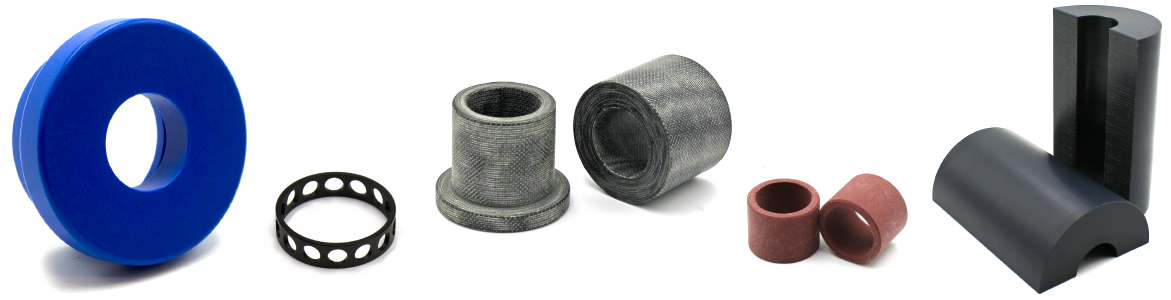
Are there specific guidelines for recycling or disposing of nylon bushings at the end of their life cycle?
Yes, there are specific guidelines for recycling or disposing of nylon bushings at the end of their life cycle. Here are some considerations:
1. Recycling:
– Nylon bushings, being made of a thermoplastic material, are generally recyclable. However, the specific recycling guidelines may vary depending on the composition of the nylon and the recycling facilities available in your area.
– Check with local recycling centers or waste management authorities to determine if they accept nylon bushings for recycling. They can provide information on the collection methods, sorting requirements, and any specific instructions for preparing the bushings for recycling.
– It’s important to separate nylon bushings from other materials and ensure they are clean and free of contaminants before recycling. Removing any metal inserts or other components attached to the bushings can facilitate the recycling process.
2. Specialty Recycling Programs:
– In some cases, there may be specialty recycling programs or initiatives specifically designed for industrial components like nylon bushings. These programs focus on recycling materials that are commonly used in industrial applications and may offer specialized recycling processes.
– Research and inquire about any such programs available in your region or industry. These programs may have specific collection points or partnerships with recycling facilities that can handle nylon bushings effectively.
3. Manufacturer Take-Back Programs:
– Some manufacturers or suppliers of nylon bushings may have take-back programs in place. These programs allow customers to return their used bushings to the manufacturer or supplier for proper recycling or disposal.
– Contact the manufacturer or supplier of the nylon bushings and inquire about any take-back programs they offer. They can provide guidance on the process, collection points, or specific instructions for returning the bushings.
4. Local Regulations and Guidelines:
– Be aware of any local regulations or guidelines regarding the disposal of nylon bushings. Different regions may have specific requirements or restrictions on the disposal methods for certain types of materials.
– Check with local environmental agencies or waste management authorities to understand the regulations in your area. They can provide information on proper disposal methods, landfill restrictions, or any hazardous waste classification that may apply to nylon bushings.
5. Reuse or Repurpose:
– Instead of recycling or disposing of nylon bushings, consider exploring opportunities for reuse or repurposing. Depending on their condition and functionality, nylon bushings can potentially be used in other applications or donated to organizations that can utilize them.
– Connect with local community organizations, educational institutions, or makerspaces that may have a need for industrial components like nylon bushings. They may accept donations or provide guidance on how to repurpose the bushings effectively.
It’s important to follow the guidelines and regulations in your specific region when recycling or disposing of nylon bushings. By doing so, you can ensure proper waste management, minimize environmental impact, and contribute to sustainability efforts.
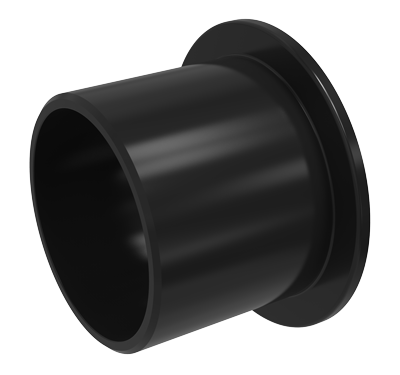
What are the temperature and pressure limits of nylon bushings, and how do they impact their performance?
If you are interested in understanding the temperature and pressure limits of nylon bushings and their impact on performance, here’s a detailed explanation:
Temperature Limits:
– Nylon bushings have specific temperature limits that define their operating range. These limits are influenced by the thermal properties of nylon and its ability to withstand heat without significant degradation.
– The exact temperature limits can vary depending on the specific type and formulation of nylon used in the bushings. However, as a general guideline, nylon bushings typically have a temperature range of approximately -40°C to 120°C (-40°F to 248°F) for continuous operation.
– At temperatures beyond the upper limit, nylon bushings can experience softening, dimensional changes, reduced mechanical strength, and loss of self-lubricating properties. These effects can result in increased wear, increased friction, and potential failure of the bushings.
– Similarly, at temperatures below the lower limit, nylon bushings can become brittle and lose their flexibility, leading to reduced performance and potential cracking or fracturing.
Pressure Limits:
– The pressure limits of nylon bushings refer to their ability to withstand compressive forces without deformation or failure. Pressure limits are influenced by factors such as the material strength, design, and dimensions of the bushings.
– Nylon bushings, being a relatively softer material compared to metals, have lower pressure limits compared to materials like bronze or steel. However, they can still handle moderate to high loads in many applications.
– The pressure limits of nylon bushings can vary depending on factors such as the specific grade of nylon, the bushing design (e.g., wall thickness), and the specific application conditions.
– As a general guideline, nylon bushings can typically handle pressures in the range of 15 MPa to 35 MPa (2,175 psi to 5,075 psi) for static loads, and lower pressures for dynamic or oscillating loads.
Impact on Performance:
– Exceeding the temperature or pressure limits of nylon bushings can have significant impacts on their performance and longevity.
– When operating beyond the temperature limits, nylon bushings may experience increased friction, accelerated wear, and reduced load-carrying capacity. The bushings may lose their self-lubricating properties, leading to higher levels of heat generation and potential damage to the mating surfaces.
– Operating beyond the pressure limits can cause deformation, excessive wear, or even failure of the nylon bushings. The bushings may experience plastic deformation, leading to dimensional changes and compromised fit. Higher pressures can also lead to increased friction and heat, further affecting the performance and wear characteristics.
– It is crucial to consider the temperature and pressure limits of nylon bushings in the context of the specific application requirements. Factors such as the anticipated operating conditions, loads, speeds, and environmental factors should be taken into account when selecting and implementing nylon bushings.
– If the application involves extreme temperatures or high-pressure conditions that exceed the limits of nylon bushings, alternative materials or specialized bushing designs may be more suitable.
– It is recommended to consult the manufacturer’s documentation, engineering references, or seek guidance from experts to determine the appropriate temperature and pressure limits for specific nylon bushings and their impact on performance.
By understanding the temperature and pressure limits of nylon bushings and their impact on performance, you can make informed decisions when selecting and implementing these bushings in various applications.
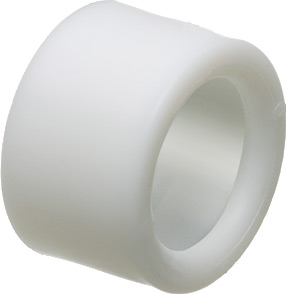
Are there different types of nylon materials used in manufacturing nylon bushings, and how do they impact performance?
Yes, there are different types of nylon materials used in manufacturing nylon bushings, and they can have varying impacts on performance. Here’s a detailed explanation:
1. Nylon 6:
– Nylon 6, also known as polyamide 6 (PA6), is a common type of nylon material used in manufacturing bushings. It offers good mechanical strength, toughness, and wear resistance.
– Nylon 6 bushings provide reliable performance in various applications, particularly those with moderate loads and operating conditions. They are cost-effective and widely available.
2. Nylon 66:
– Nylon 66, or polyamide 66 (PA66), is another popular nylon material used for bushing manufacturing. It has similar properties to Nylon 6 but with enhanced strength, stiffness, and heat resistance.
– Nylon 66 bushings exhibit improved dimensional stability and resistance to deformation under load, making them suitable for applications with higher loads or more demanding operating conditions.
3. Heat-Stabilized Nylon:
– Heat-stabilized nylon materials, such as Nylon 6/6 or PA66 with added heat stabilizers, are specifically formulated to provide increased resistance to elevated temperatures.
– These heat-stabilized nylon bushings can withstand higher temperature ranges without significant loss of mechanical properties or dimensional stability. They are suitable for applications where thermal resistance is a critical requirement.
4. Glass-Filled Nylon:
– Glass-filled nylon, also referred to as reinforced nylon, is a type of nylon material that is reinforced with glass fibers. The addition of glass fibers improves the strength, stiffness, and dimensional stability of the nylon.
– Glass-filled nylon bushings offer enhanced load-bearing capabilities, improved wear resistance, and reduced creep under heavy loads. They are commonly used in applications that require higher strength and rigidity.
5. Molybdenum Disulfide (MoS2) Filled Nylon:
– MoS2 is a solid lubricant that can be added to nylon materials to enhance their self-lubricating properties. Nylon bushings with MoS2 fillers provide improved friction and wear characteristics.
– MoS2-filled nylon bushings are suitable for applications where additional lubrication may be limited or impractical. They help reduce friction, minimize wear, and extend the lifespan of the bushing and mating parts.
6. Other Specialty Nylon Materials:
– There are various other specialty nylon materials available for specific applications. For example, nylon materials with enhanced chemical resistance, electrical conductivity, or low friction properties can be used in specialized bushing applications.
– These specialty nylon bushings cater to specific performance requirements and can be selected based on the unique needs of the application.
The choice of nylon material for manufacturing bushings depends on the specific application requirements, including load capacity, operating temperature, wear resistance, dimensional stability, and cost considerations. It is important to select the appropriate nylon material that can meet the performance demands of the application and ensure optimal functionality and durability of the bushings.


editor by CX 2023-11-07