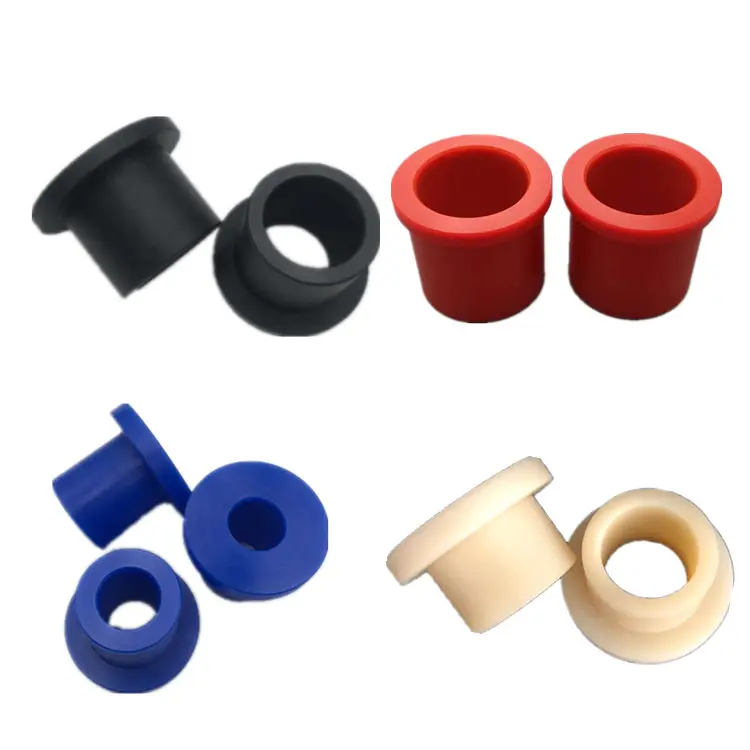
Can I find information on alternatives to nylon bushings for specific industrial applications?
Yes, you can find information on alternatives to nylon bushings for specific industrial applications by considering the following sources:
1. Manufacturer Websites:
– Visit the websites of manufacturers that specialize in industrial components or bushings. They often provide detailed information about their product offerings, including alternative materials to nylon bushings.
– Look for sections on their websites that discuss different materials, specifications, and applications. These sections may highlight alternative materials such as metal, plastic, composite, or other types of bushings suitable for specific industrial applications.
2. Industry Publications and Journals:
– Industry publications and journals dedicated to specific industrial sectors often feature articles or studies that discuss different types of bushings and their applications.
– Explore relevant publications in your industry to find articles, case studies, or technical papers that discuss alternative bushing materials. These resources can provide insights into the performance, benefits, and limitations of different materials in specific industrial applications.
3. Consult with Industry Experts:
– Reach out to industry experts, engineers, or consultants who specialize in the specific industrial application you are interested in. They can provide valuable insights and recommendations based on their expertise and experience.
– Attend industry conferences, trade shows, or seminars where you can network with professionals and experts in the field. Engaging in discussions and seeking advice from knowledgeable individuals can help you discover alternative bushing materials suitable for your specific application.
4. Online Forums and Communities:
– Participate in online forums, communities, or discussion groups related to your industry or specific industrial applications. These platforms provide opportunities to connect with professionals, share experiences, and seek recommendations on alternative bushing materials.
– Post inquiries or questions about alternative bushing materials, specifying your industrial application and requirements. Members of the community may share their insights, experiences, or suggestions based on their own knowledge and expertise.
5. Consult with Suppliers and Distributors:
– Contact suppliers and distributors of industrial components, including bushings, and inquire about alternative materials suitable for your specific application.
– Suppliers and distributors often have extensive product knowledge and can provide guidance on alternative bushing materials based on your requirements, such as load capacity, operating conditions, or environmental factors.
– Inquire about materials such as bronze, stainless steel, PTFE (polytetrafluoroethylene), composite materials, or other plastics that may be suitable alternatives to nylon bushings.
When researching alternatives to nylon bushings for specific industrial applications, consider factors such as material properties, compatibility with the application, load capacity, temperature resistance, lubrication requirements, and overall performance.
By exploring these sources and consulting with experts, you can gather valuable information and make informed decisions about the most suitable alternative bushing materials for your specific industrial application.
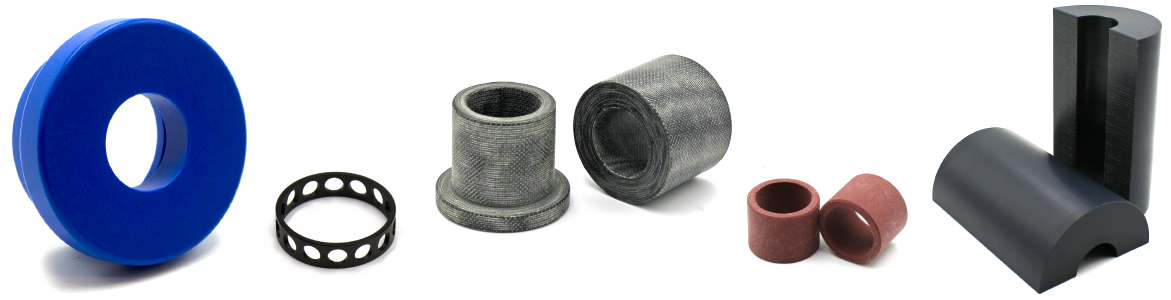
Can I get advice on choosing nylon bushings for applications with exposure to chemicals or corrosive environments?
If you need advice on choosing nylon bushings for applications with exposure to chemicals or corrosive environments, here’s a detailed explanation:
1. Consider Chemical Compatibility:
– Assess the specific chemicals or substances that the nylon bushings will encounter in your application. Different chemicals can have varying levels of compatibility with nylon materials.
– Consult chemical compatibility charts or databases provided by the nylon bushing manufacturer or other reliable sources. These resources can help you identify whether the nylon material is resistant to the chemicals involved.
– Look for nylon bushings that are specifically designed or treated to withstand the chemical exposure in your application. Manufacturers may offer variants with enhanced chemical resistance or coatings that protect against specific corrosive substances.
2. Evaluate Environmental Conditions:
– Consider the overall environmental conditions in which the nylon bushings will operate. Factors such as temperature, humidity, UV exposure, and atmospheric conditions can influence the performance and durability of the bushings.
– Check the manufacturer’s specifications or technical datasheets for information on the recommended operating temperature range and environmental limits of the nylon bushings. Ensure that the selected bushings can tolerate the specific conditions of your application.
– If your application involves outdoor or UV-exposed environments, look for UV-stabilized or weather-resistant nylon bushings that can withstand prolonged exposure to sunlight and outdoor elements.
3. Seek Chemical-Resistant Nylon Formulations:
– Nylon bushings are available in different formulations that offer varying degrees of chemical resistance. For applications with exposure to chemicals or corrosive environments, consider nylon formulations specifically engineered for chemical resistance.
– Examples of chemical-resistant nylon formulations include Nylon 6/6, Nylon 6, Nylon 12, and specialty grades such as Nylon 6/12 or Nylon 4/6. These formulations are designed to resist degradation and maintain their mechanical properties in the presence of chemicals.
– Consult with nylon bushing manufacturers or suppliers to identify the most suitable nylon formulation for your specific chemical exposure requirements. They can provide guidance and recommend the appropriate material based on their expertise and product offerings.
4. Test and Validate:
– If possible, conduct tests or trials to verify the performance of the selected nylon bushings in the actual chemical or corrosive environment of your application. Test samples of the bushings under representative conditions to ensure they can withstand the anticipated chemical exposure without significant degradation or loss of functionality.
– Monitor the performance of the nylon bushings over time in the application to assess their long-term resistance to chemicals or corrosive elements. Regular inspections and maintenance can help identify any signs of degradation or wear that may require replacement or adjustments.
5. Consult with Experts:
– If you are unsure about the chemical resistance requirements or need specific guidance, consult with experts in the field of materials engineering or contact manufacturers and suppliers specializing in nylon bushings.
– Provide detailed information about the chemicals or corrosive substances involved, as well as the operating conditions of your application. Experts can help you select the most appropriate nylon bushings and offer recommendations based on their knowledge and experience.
By considering the chemical compatibility, evaluating environmental conditions, seeking chemical-resistant nylon formulations, testing and validating the bushings, and consulting with experts, you can make informed decisions when choosing nylon bushings for applications with exposure to chemicals or corrosive environments. This ensures that the selected bushings can withstand the specific challenges posed by these conditions and provide reliable performance over their intended lifespan.
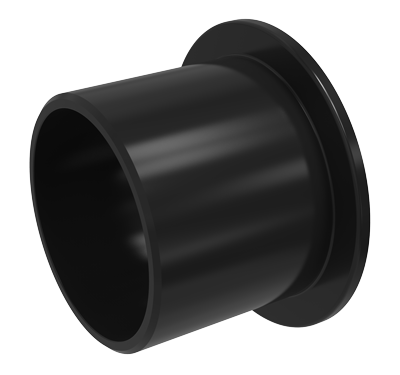
What are the advantages of using nylon bushings over other materials in mechanical applications?
When it comes to mechanical applications, using nylon bushings offers several advantages over other materials. Here’s a detailed explanation:
1. Self-Lubricating Properties:
– Nylon bushings have inherent self-lubricating properties, which reduce the need for additional lubrication. The low friction coefficient of nylon helps in smooth and efficient operation, reducing wear and extending the lifespan of the bushing and the mating parts.
– Self-lubricating nylon bushings are particularly beneficial in applications where frequent maintenance or lubrication is impractical or challenging, such as in hard-to-reach areas or in environments with limited access.
2. Excellent Wear Resistance:
– Nylon bushings have excellent wear resistance, making them suitable for applications with high loads or repetitive motion. They can withstand continuous contact and friction without significant wear or degradation.
– The inherent toughness and durability of nylon make it resistant to abrasion, allowing the bushings to maintain their performance and dimensional stability over time.
3. Low Coefficient of Friction:
– Nylon bushings have a low coefficient of friction, which minimizes the resistance to motion. This low friction characteristic helps reduce energy consumption, minimize heat generation, and improve operational efficiency.
– The low friction coefficient of nylon bushings also contributes to smoother and quieter operation, reducing noise and vibration in mechanical systems.
4. Corrosion Resistance:
– Nylon is inherently resistant to corrosion from moisture, chemicals, and most industrial environments. This corrosion resistance makes nylon bushings suitable for applications where exposure to harsh conditions or corrosive substances is a concern.
– Unlike metal bushings that may require additional protective coatings or regular maintenance to prevent corrosion, nylon bushings can withstand corrosive environments without compromising their performance.
5. Lightweight and Cost-Effective:
– Nylon is a lightweight material, which can contribute to overall weight reduction in mechanical systems. This is particularly advantageous in applications where weight is a critical factor, such as aerospace or automotive industries.
– Nylon bushings are often cost-effective compared to other materials, such as bronze or stainless steel. They offer a balance of performance and affordability, making them a cost-efficient choice for various mechanical applications.
6. Electrical Insulation:
– Nylon is an excellent electrical insulator, providing insulation and preventing electrical current flow between mechanical components. This property is beneficial in applications where electrical conductivity needs to be minimized, ensuring safety and preventing electrical interference.
– Nylon bushings can help isolate and protect electrical systems or components in machinery, reducing the risk of electrical shorts, arcing, or damage.
By leveraging the self-lubricating properties, excellent wear resistance, low coefficient of friction, corrosion resistance, lightweight nature, cost-effectiveness, and electrical insulation properties of nylon bushings, mechanical applications can benefit from improved performance, reduced maintenance requirements, and extended operational lifespan.


editor by CX 2024-02-09