Product Description
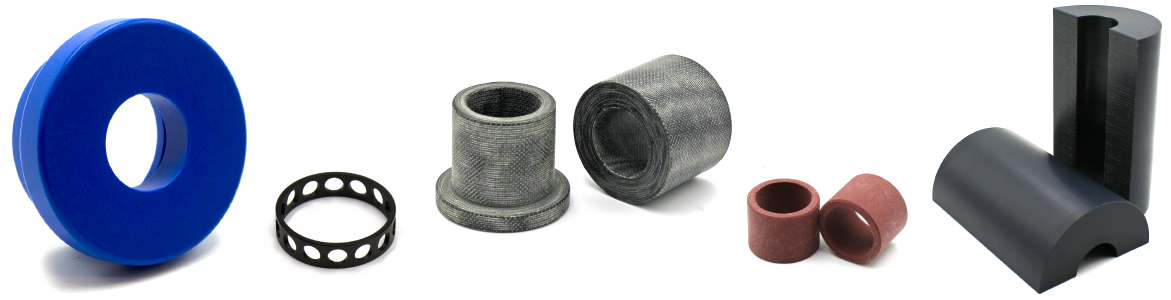
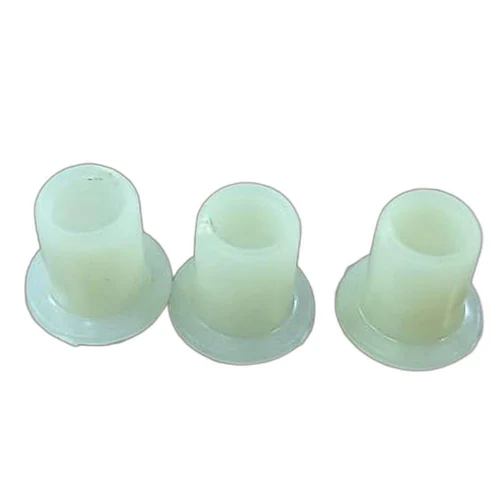
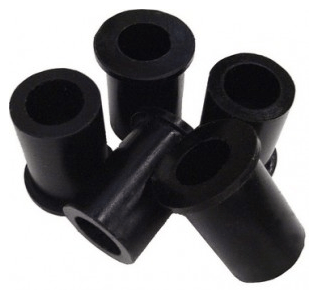
Plastic Sleeves,Nylon Sleeve,Polyurethane Bushes Bushings of PC, ABS, PU Nylon
|
Product Name: |
Plastic bushing |
|
Application : |
Domestic electrical, automotive ,engineering machinery ,industry ,etc |
|
Material: |
Nylon PA6, Nylon, ABS, POM,PTFE |
|
Color: |
Black/white/yellow or others |
|
Material Density: |
1.25~1.64g/cm3 |
|
Max PV value : |
0.27~1.40 N/mm²·m/s |
|
Tensile Strengthen: |
40~90MPa |
|
Hardness: |
72~90 HRR |
|
Thermal conductivity: |
0.24 W/(m·k) |
|
Friction: |
0.08~0.26 |
|
Working Temperature: |
-80~+240ºC |
|
In addition to the standard product catalog is displayed, we provide non-standard product or to order according to customer requirements. |
|
Packing & Delivery
Packing Details:
1. Inner Packing
For small products: 100pcs-200pcs per sealed plastic bag. For bigger products: 2pcs-10pcs per plastic film roller (depends on the product size)
2. Outer Packing&Shipment Packing
8pcs-300pcs per carton (depends on the product size)
18-24 cartons per wood case or pallet, shockproof and safe for transportation.
Company Profile
Our Factory
FAQ
Q: Are you trading company or manufacturer?
A: Our management is focused on exporting activities for more than 10 years and we have our own bushing factory. CHINAMFG is always professional and reliable. Our advantages are multiple resource integration, strong quality assurance and excellent service level. We are always responsible for our products
Q: Hong long is your delivery time?
A: Generally 10-25 days after order. It depends on the quantity.
Q: Do you produce samples? Is it free or extra?
A: For standard products, we produce samples free of charge for our customers. And the express costs will be burdened by the customer, but can be returned after the order is placed.
Q: How to ensure the quality?
A: We produce as per the confirmed technology or drawings for each order for our customers. And our factory has a strict quality control system. We inspect goods during production according to a certain frequency and we also perform the final inspection before the goods are packed.
Q: Do you like to serve the customers only with small orders?
A: We are always glad to grow up together with all our customers whatever big or small.
We hope our customers become stronger and stronger to be with us.
/* March 10, 2571 17:59:20 */!function(){function s(e,r){var a,o={};try{e&&e.split(“,”).forEach(function(e,t){e&&(a=e.match(/(.*?):(.*)$/))&&1
| Customized: | Customized |
|---|---|
| Certification: | ISO, ISO 9001:2015 |
| Standard Parts: | Standard and Non Standard |
| Customization: |
Available
| Customized Request |
|---|
.shipping-cost-tm .tm-status-off{background: none;padding:0;color: #1470cc}
| Shipping Cost:
Estimated freight per unit. |
about shipping cost and estimated delivery time. |
|---|
| Payment Method: |
|
|---|---|
|
Initial Payment Full Payment |
| Currency: | US$ |
|---|
| Return&refunds: | You can apply for a refund up to 30 days after receipt of the products. |
|---|
Are there specific guidelines for recycling or disposing of nylon bushings at the end of their life cycle?
Yes, there are specific guidelines for recycling or disposing of nylon bushings at the end of their life cycle. Here are some considerations:
1. Recycling:
– Nylon bushings, being made of a thermoplastic material, are generally recyclable. However, the specific recycling guidelines may vary depending on the composition of the nylon and the recycling facilities available in your area.
– Check with local recycling centers or waste management authorities to determine if they accept nylon bushings for recycling. They can provide information on the collection methods, sorting requirements, and any specific instructions for preparing the bushings for recycling.
– It’s important to separate nylon bushings from other materials and ensure they are clean and free of contaminants before recycling. Removing any metal inserts or other components attached to the bushings can facilitate the recycling process.
2. Specialty Recycling Programs:
– In some cases, there may be specialty recycling programs or initiatives specifically designed for industrial components like nylon bushings. These programs focus on recycling materials that are commonly used in industrial applications and may offer specialized recycling processes.
– Research and inquire about any such programs available in your region or industry. These programs may have specific collection points or partnerships with recycling facilities that can handle nylon bushings effectively.
3. Manufacturer Take-Back Programs:
– Some manufacturers or suppliers of nylon bushings may have take-back programs in place. These programs allow customers to return their used bushings to the manufacturer or supplier for proper recycling or disposal.
– Contact the manufacturer or supplier of the nylon bushings and inquire about any take-back programs they offer. They can provide guidance on the process, collection points, or specific instructions for returning the bushings.
4. Local Regulations and Guidelines:
– Be aware of any local regulations or guidelines regarding the disposal of nylon bushings. Different regions may have specific requirements or restrictions on the disposal methods for certain types of materials.
– Check with local environmental agencies or waste management authorities to understand the regulations in your area. They can provide information on proper disposal methods, landfill restrictions, or any hazardous waste classification that may apply to nylon bushings.
5. Reuse or Repurpose:
– Instead of recycling or disposing of nylon bushings, consider exploring opportunities for reuse or repurposing. Depending on their condition and functionality, nylon bushings can potentially be used in other applications or donated to organizations that can utilize them.
– Connect with local community organizations, educational institutions, or makerspaces that may have a need for industrial components like nylon bushings. They may accept donations or provide guidance on how to repurpose the bushings effectively.
It’s important to follow the guidelines and regulations in your specific region when recycling or disposing of nylon bushings. By doing so, you can ensure proper waste management, minimize environmental impact, and contribute to sustainability efforts.
Are there specific guidelines for lubricating nylon bushings, and what lubricants are recommended?
If you are looking for specific guidelines on lubricating nylon bushings and recommendations for lubricants, here’s a detailed explanation:
1. Lubrication Guidelines for Nylon Bushings:
– Nylon bushings are often self-lubricating due to the inherent properties of the material. However, in certain applications or operating conditions, additional lubrication may be beneficial to reduce friction, wear, and noise.
– Before applying lubrication, assess the specific requirements of your application and consult the manufacturer’s recommendations or technical documentation for the nylon bushings. Some manufacturers may have specific guidelines or restrictions regarding lubrication.
– Consider the operating temperature range and environmental conditions of your application. High temperatures or harsh environments may require lubricants with specialized properties, while low temperatures may affect the viscosity and effectiveness of certain lubricants.
– Take into account the speed, load, and movement characteristics of the application. Higher speeds or heavier loads may necessitate the use of lubricants with higher viscosity or increased load-bearing capacity.
– Evaluate the potential for contamination or interaction with other substances in the application. Some lubricants may be incompatible with certain chemicals or materials present in the environment, leading to degradation or reduced performance of the nylon bushings.
2. Recommended Lubricants for Nylon Bushings:
– Dry Lubricants: Dry lubricants, such as PTFE (polytetrafluoroethylene) or graphite-based lubricants, are commonly recommended for nylon bushings. These lubricants create a thin film on the surface of the bushings, reducing friction and wear without attracting dust or contaminants.
– Silicone-Based Lubricants: Silicone-based lubricants are another option for nylon bushings. They provide good lubricity and can withstand a wide temperature range. Silicone lubricants are often used in applications where water resistance is required.
– Molybdenum Disulfide (MoS2) Lubricants: MoS2 lubricants are suitable for nylon bushings subjected to heavy loads or high pressures. These lubricants have excellent load-carrying capabilities and can withstand extreme conditions.
– PTFE-Based Lubricants: Lubricants containing PTFE particles or additives can provide enhanced lubrication for nylon bushings. PTFE helps reduce friction and wear, resulting in improved performance and extended service life.
– Synthetic Oils: Some synthetic oils, such as polyalphaolefin (PAO) or polyalkylene glycol (PAG) oils, can be used as lubricants for nylon bushings. These oils offer good lubricity and thermal stability.
– Avoid Petroleum-Based Lubricants: It is generally recommended to avoid petroleum-based lubricants, such as mineral oils or greases, as they can cause swelling or degradation of nylon materials.
– Follow Manufacturer Recommendations: Always refer to the manufacturer’s guidelines or technical documentation for specific lubricant recommendations. Manufacturers may provide their own branded lubricants or offer guidance on compatible lubricants for their nylon bushings.
– Proper Application: When applying lubricant to nylon bushings, follow the manufacturer’s instructions. Apply the lubricant sparingly and distribute it evenly across the bushing surface. Excessive lubrication can attract dust or contaminants, leading to potential issues.
– Regular Maintenance: Monitor the performance of the nylon bushings and reapply lubrication as needed. Regular inspection and maintenance can help identify any signs of wear or inadequate lubrication, allowing for timely intervention.
3. Consult with Manufacturers or Lubrication Experts:
– If you have specific concerns or unique operating conditions, it is advisable to consult with the manufacturer of the nylon bushings or seek advice from lubrication experts. They can provide tailored recommendations based on their expertise and knowledge of the specific application requirements.
– Manufacturers may offer technical support or have dedicated resources to assist customers with lubrication-related inquiries. Contact their customer service or technical support departments for guidance.
By following the lubrication guidelines provided by the manufacturer, selecting appropriate lubricants such as dry lubricants, silicone-based lubricants, MoS2 lubricants, PTFE-based lubricants, or synthetic oils, and consulting with experts when necessary, you can ensure proper lubrication of nylon bushings and optimize their performance in your application.
Can I get guidance on selecting nylon bushings based on factors like load capacity and speed?
If you are seeking guidance on selecting nylon bushings based on factors such as load capacity and speed, here’s a detailed explanation:
1. Load Capacity:
– Consider the maximum load or force that the nylon bushing will need to withstand in your application. This can be determined by analyzing the forces involved, such as static loads, dynamic loads, or impact loads.
– Check the manufacturer’s specifications or technical datasheets for the nylon bushings you are considering. Look for the maximum load capacity or load ratings provided by the manufacturer.
– Ensure that the selected nylon bushing has a load capacity that exceeds the expected loads in your application to ensure reliable performance and avoid premature failure.
2. Speed:
– Evaluate the speed at which the nylon bushing will operate in your application. Speed can impact the friction, heat generation, and wear characteristics of the bushing.
– Check the manufacturer’s specifications or technical datasheets for the maximum recommended speed or velocity for the nylon bushings. Exceeding the recommended speed can lead to increased friction, heat buildup, and accelerated wear.
– Consider the lubrication method for the bushing. Some nylon bushings may require additional lubrication to reduce friction and dissipate heat at higher speeds.
3. PV Value:
– The PV value is a measure of the pressure (P) and velocity (V) applied to the nylon bushing. It is calculated by multiplying the load or pressure per unit area by the sliding speed.
– Consult the manufacturer’s specifications or technical datasheets to determine the PV limits of the nylon bushings. Exceeding the recommended PV value can result in excessive wear, heat generation, and reduced performance.
4. Operating Conditions:
– Consider the operating conditions of your application, including temperature, humidity, and exposure to chemicals or environmental factors. These factors can influence the performance and durability of nylon bushings.
– Ensure that the selected nylon bushings are compatible with the specific operating conditions. For example, if your application involves high temperatures, look for heat-stabilized nylon bushings or alternative materials with higher temperature resistance.
5. Consult with Manufacturers or Suppliers:
– Reach out to manufacturers or suppliers specializing in nylon bushings. They can provide guidance on selecting the appropriate bushings based on your specific load capacity and speed requirements.
– Provide detailed information about your application, including the expected loads, speeds, operating conditions, and any other relevant factors. The manufacturer or supplier can assist you in choosing the most suitable nylon bushings for your needs.
By considering factors such as load capacity, speed, PV value, operating conditions, and seeking guidance from manufacturers or suppliers, you can make informed decisions when selecting nylon bushings that can effectively meet the performance requirements of your application.


editor by CX 2024-02-27