Bushings & Hubs engineering guide
Make seating, fastener load and alignment controllable
A defensible answer for lubrication needs a second line of evidence from taper-lock bushing; only then should qd bushing, mating surfaces, and installation torque influence the final choice. Confirm lubrication and taper-lock bushing, prepare the working surfaces, use the exact product sequence for screws or release holes, and verify qd bushing after the work. Product-specific torque or fit values must come from the applicable instructions.
What to Consider
This article keeps lubrication, taper-lock bushing, and qd bushing connected to mating surfaces and installation torque. Each is treated as an engineering input with its own evidence, not as a keyword that can stand in for the others.
Boundary for model-specific values
Where mating surfaces or installation torque carries a numerical limit, mark it as “verify from exact product data” until the selected series is confirmed. That prevents a neighboring frame from supplying a plausible but wrong value.
Five Inputs That Shape the Selection
- lubrication
- an engineering input for lubrication whose geometry, state, or requirement must agree with taper-lock bushing before qd bushing is released. Treat the value as incomplete until taper-lock bushing and qd bushing have been checked on the same assembly.
- taper-lock bushing
- a taper-bushed shaft mounting component drawn into a matching taper hub by dedicated screws. Relate it directly to qd bushing and mating surfaces; do not close the step from this variable alone.
- qd bushing
- a split flanged tapered bushing used with dedicated QD hub geometry. Use mating surfaces as the first cross-check and installation torque as the second before the result enters the RFQ or work order.
- mating surfaces
- the mating surfaces requirement carried by this machine; document its actual condition and its effect on installation torque and lubrication. Pair the observation with installation torque; if lubrication disagrees, preserve the discrepancy for engineering review.
- installation torque
- the model-specific fastener torque taken from the current installation procedure, not guessed from bolt size. Document the datum or source, then show how it affects lubrication and whether taper-lock bushing remains compatible.
Lubrication rules belong to the exact installation procedure
Do not apply grease, oil or anti-seize to a tapered bushing interface because it is a familiar bolted joint. The friction condition is part of the relationship between screw torque, axial draw-up and contact pressure. Several QD and XT installation procedures call for clean, unlubricated mating surfaces, while thread treatment can be product-specific. Taper-Lock practice likewise has to be taken from the current instruction for the exact size and manufacturer.
The safest rule is to keep taper lubrication and thread lubrication as two separate questions. Clean the surfaces, read the installation sheet, and use the torque table that belongs to the same stated surface condition. If a previous assembly was lubricated contrary to procedure, inspect for excessive draw-up, thread distress or difficult removal before reusing components. Never try to correct uncertain lubrication by lowering or raising torque from memory.
Inspection Checklist
- Capture lubrication before disturbing the assembly.
- Cross-check taper-lock bushing against qd bushing rather than treating either value alone.
- Keep any uncertainty around installation torque visible in the job record or RFQ.
Product context
The on-site product context can be checked on the industrial taper bushing range page while reviewing lubrication and installation torque; keep final acceptance tied to the exact part, shaft and controlled data.

Surface preparation controls whether the taper seats uniformly
Build the qd bushing check from three field observations. First, protect threads while cleaning. Next, keep cleaned precision surfaces covered until assembly. Use mating surfaces to decide whether the two observations tell the same story.
After cleaning, inspect in strong light and feel for raised edges with a fingernail or suitable inspection method; replace components with deep damage rather than polishing until the defect disappears. That confirmation matters here because aggressive filing or sanding can turn a cleaning job into an uncontrolled dimensional change. Leaving debris in place can create false seating and later movement. If installation torque points in a different direction, keep the part on hold until the conflict is resolved. The verified standard QD bushing families page provides product-family context for qd bushing; the exact drawing still governs acceptance.
Verification set
- Remove raised metal, not base material. Relate this observation to mating surfaces.
- Taper interfaces depend on broad, consistent contact. A small particle can create a local high spot that changes seating and bolt load distribution. Relate this observation to installation torque.
- Link the result to installation torque in the job record. Relate this observation to lubrication.
Before You Order
The qd bushing entry should name its datum, inspection method, and the evidence used to reconcile mating surfaces with installation torque.
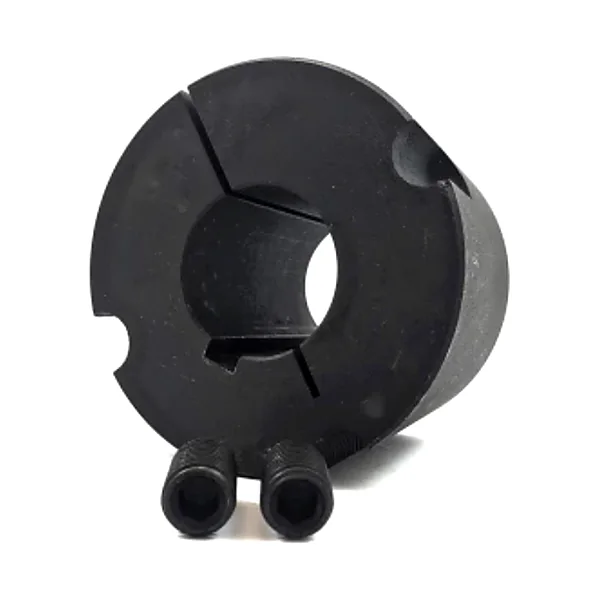
Acceptance matrix for the shaft connection
| Interface | Evidence to collect | Why a mismatch matters |
|---|---|---|
| lubrication | Protect threads while cleaning. | A discrepancy in lubrication can invalidate the interpretation of taper-lock bushing, even when several other dimensions are close. |
| taper-lock bushing | Inspect after the first controlled operating period when the manual requires it. | Treat taper-lock bushing as a hard gate because an error here can make qd bushing misleading or nonfunctional in service. |
| qd bushing | Keep cleaned precision surfaces covered until assembly. | Do not average away a problem in qd bushing; it may be the reason mating surfaces appears to fit on the bench but fails in service. |
| mating surfaces | Create a baseline for runout and alignment. | When mating surfaces conflicts with the controlled data, stop before accepting installation torque as evidence of compatibility. |
| installation torque | Remove raised metal, not base material. | If installation torque is wrong, a correct-looking lubrication cannot rescue the interface; the release decision must be reopened. |
| Release gate | Hold the part if mating surfaces or installation torque remains unresolved after the primary interface checks. | |
Commission the assembly with inspection points already defined
Build the mating surfaces check from three field observations. First, create a baseline for runout and alignment. Next, investigate movement before simply applying more torque. Use installation torque to decide whether the two observations tell the same story.
Follow the selected manufacturer guidance for any post-install inspection or re-torque requirement and record the result in the maintenance history. That confirmation matters here because returning the machine to full duty without a baseline makes later changes hard to diagnose and encourages repeated blind re-tightening. If lubrication points in a different direction, keep the part on hold until the conflict is resolved.
What closes this check
The mating surfaces entry should name its datum, inspection method, and the evidence used to reconcile installation torque with lubrication.
On-Machine Checks
- Inspect after the first controlled operating period when the manual requires it. Relate this observation to installation torque.
- Early inspection can catch a seating, alignment, or duty problem before it develops into fretting or a damaged shaft. Relate this observation to lubrication.
- Link the result to lubrication in the job record. Relate this observation to taper-lock bushing.
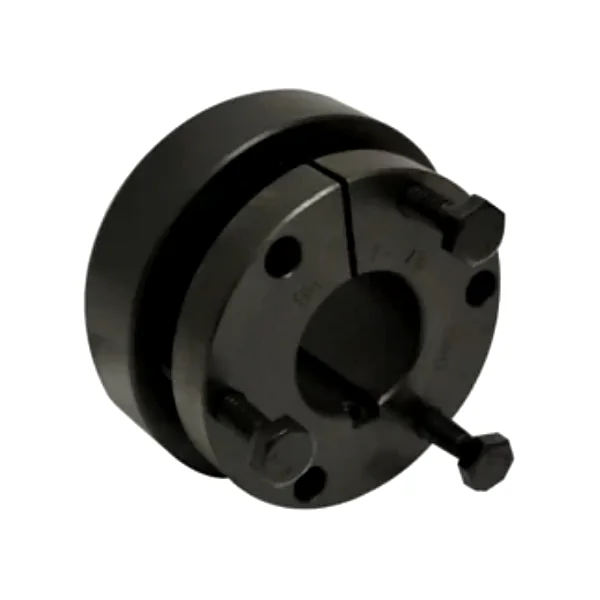
Protect the taper while building clamp load
Prepare the work so lubrication can be handled without damaging taper-lock bushing. Protect precision surfaces, identify installation versus removal holes, and stage tools before the component is moved. Bring the taper together or apart evenly and keep qd bushing visible as the geometry changes.
Use controlled values for mating surfaces, then prove the result through installation torque. A screw that suddenly becomes hard to turn, a flange that cocks, or a key that will not seat is diagnostic information; adding uncontrolled force can convert a correctable condition into damaged threads or shaft geometry.
Related Product Options
For on-site product context, the split taper bushing options page is relevant to qd bushing. Final release still requires the measured or controlled evidence for lubrication and installation torque.
Technical Reference
For model-specific instructions involving lubrication and installation torque, consult the current bushing installation manuals that matches the selected family. Keep torque, hole functions, lubrication directions, and other controlled values with that product rather than transferring them across families.

FAQ for this specific engineering task
What should I do if lubrication does not look right during assembly?
Do not treat lubrication as a yes/no visual check. It is an engineering input for lubrication whose geometry, state, or requirement must agree with taper-lock bushing before qd bushing is released. In this article, document taper-lock bushing beside it and use the field observation “Protect threads while cleaning” as a practical cross-check before release.
Can I compensate for a problem in taper-lock bushing by applying more torque?
taper-lock bushing matters because it is a taper-bushed shaft mounting component drawn into a matching taper hub by dedicated screws. A reliable record names the datum, tool, or controlled document used and shows how the finding changes qd bushing. Where mating surfaces is model-dependent, obtain that value from the exact product data rather than estimating it.
When should qd bushing be checked during the installation sequence?
Use qd bushing as one acceptance item, not as the whole specification: a split flanged tapered bushing used with dedicated QD hub geometry. Pair it with mating surfaces, and if installation torque points to another family or another condition, resolve that conflict before reuse, ordering, or start-up.
What evidence confirms mating surfaces is acceptable before start-up?
The engineering question around mating surfaces is whether its observed or controlled condition is consistent with installation torque. Here, mating surfaces means the mating surfaces requirement carried by this machine; document its actual condition and its effect on installation torque and lubrication. Preserve measurements or photos that let a later technician test the same conclusion against lubrication, with taper-lock bushing kept as a separate cross-check.
Does the installation manual override shop habit for installation torque?
For installation torque, the working definition here is the model-specific fastener torque taken from the current installation procedure, not guessed from bolt size. Check it against lubrication; then use taper-lock bushing as an independent reason to accept or reject the result. If the two checks disagree, keep the part or purchase decision on hold until the discrepancy is explained.
Need Help with a Replacement or Installation?
When contacting us, include details for lubrication, taper-lock bushing, and qd bushing from the actual hub and machine. Also include mating surfaces and installation torque when available, together with the selected series. If mating surfaces or installation torque is not yet known, tell us what has been measured or observed rather than filling the gap with a generic catalog value.