Bushings & Hubs engineering guide
Separate symptoms from the joint condition that caused them
The fastest route to a wrong answer is to let fretting corrosion stand in for micro-movement. This guide keeps shaft fit, vibration, and keyway visible until the decision is closed. Preserve evidence around fretting corrosion, then test micro-movement, shaft fit and the mating surfaces in an order that can eliminate causes. Correct the confirmed mechanism before a new bushing or hub is installed.
What to Consider
This article keeps fretting corrosion, micro-movement, and shaft fit connected to vibration and keyway. Each is treated as an engineering input with its own evidence, not as a keyword that can stand in for the others.
Boundary for model-specific values
Values tied to a specific series—such as torque, tolerance, material, balance, or capacity—remain controlled data. For vibration, consult the applicable drawing or installation sheet; for keyway, record the requirement rather than borrowing a value from another family.
Five Inputs That Shape the Selection
- fretting corrosion
- micro-movement damage that produces polishing, debris, and pitting at loaded interfaces. Treat the value as incomplete until micro-movement and shaft fit have been checked on the same assembly.
- micro-movement
- a verification point for micro-movement that needs an identified datum, document, or field observation before it can support shaft fit. Relate it directly to shaft fit and vibration; do not close the step from this variable alone.
- shaft fit
- the observed or specified condition for shaft fit that must be reconciled with vibration and keyway. Use vibration as the first cross-check and keyway as the second before the result enters the RFQ or work order.
- vibration
- the machine-specific requirement for vibration; preserve the evidence that links it to keyway and the final check of fretting corrosion. Pair the observation with keyway; if fretting corrosion disagrees, preserve the discrepancy for engineering review.
- keyway
- the shaft-and-bushing groove system that locates the key and must match width, depth, and condition. Document the datum or source, then show how it affects fretting corrosion and whether micro-movement remains compatible.
Fretting corrosion points to micro-movement at a loaded interface
Fretting often appears as polished bands, dark or reddish debris and shallow pitting where two nominally fixed surfaces have moved microscopically under load. On a bushing connection, examine the shaft seating zone, keyway, taper and hub for where the debris starts and ends. Measure the shaft through and beside the affected area; material loss can reduce fit even if the nominal shaft size is correct elsewhere.
The root cause can include insufficient or uneven seating, a damaged hub, vibration, misalignment, incorrect shaft size or machine duty that promotes movement. Cleaning away the debris and installing a new bushing is not a complete repair if the movement source remains. Correct the interface, alignment or operating condition and replace parts whose contact surfaces are pitted or dimensionally altered beyond the controlled acceptance criteria.
Product context
The on-site product context can be checked on the industrial taper bushing range page while reviewing fretting corrosion and keyway; keep final acceptance tied to the exact part, shaft and controlled data.
Three checks to keep
- Capture fretting corrosion before disturbing the assembly.
- Cross-check micro-movement against shaft fit rather than treating either value alone.
- Keep any uncertainty around keyway visible in the job record or RFQ.

Fretting is evidence of micro-movement at the interface
Approach shaft fit from the failure side: Cleaning away the debris and reusing both parts without addressing movement can accelerate surface damage and make future removal harder. To avoid that mechanism, check alignment and vibration sources outside the bushing. Then compare the result with vibration rather than judging the surface in isolation.
Fretting develops when loaded surfaces experience small repeated relative motion. It can follow poor fit, incomplete seating, vibration, or a duty change. For this title, the practical close-out is to preserve wear evidence before cleaning. and document how keyway supports the conclusion. The verified standard QD bushing families page provides product-family context for shaft fit; the exact drawing still governs acceptance.
Verification set
- Distinguish fretting at the shaft from fretting on the taper. Relate this observation to vibration.
- Measure the affected shaft and bushing, inspect hub contact, correct the movement source, and replace components that have lost the geometry required for controlled seating. Relate this observation to keyway.
- Keep the shaft fit finding traceable to vibration. Relate this observation to fretting corrosion.
Before You Order
The shaft fit entry should name its datum, inspection method, and the evidence used to reconcile vibration with keyway.
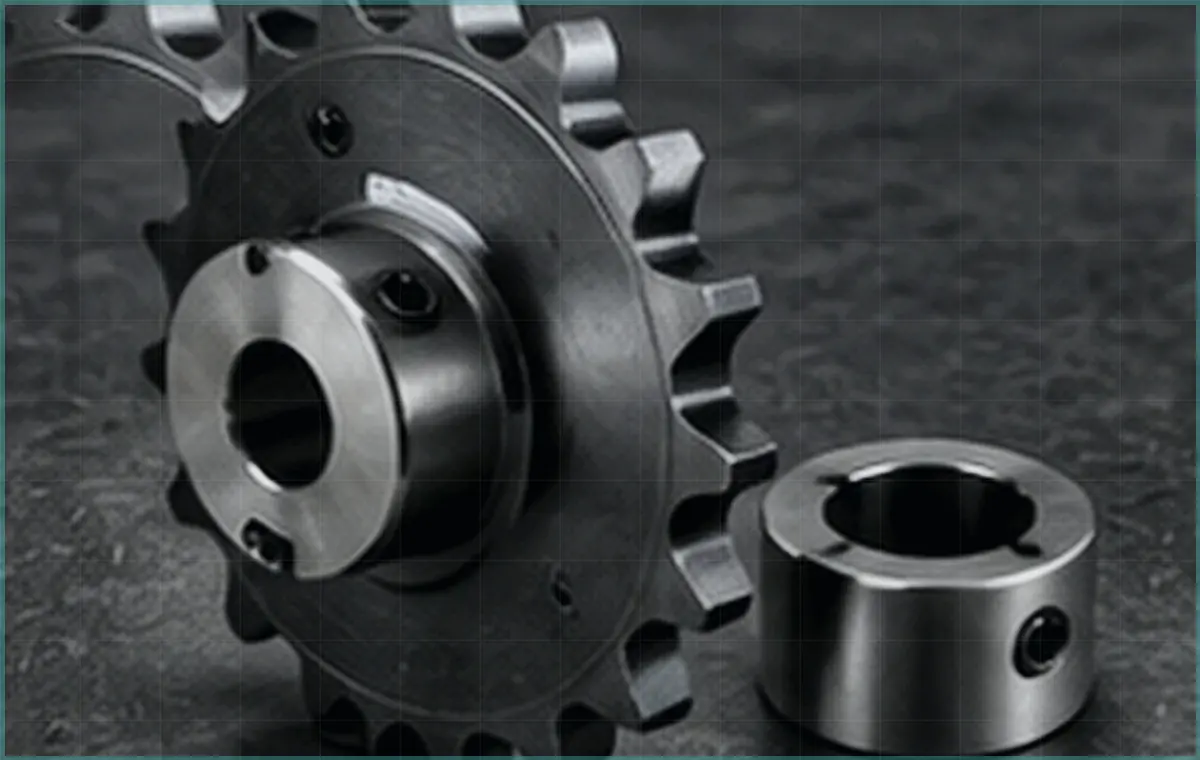
Acceptance matrix for the shaft connection
| Interface | Evidence to collect | Why a mismatch matters |
|---|---|---|
| fretting corrosion | Preserve wear evidence before cleaning. | Do not average away a problem in fretting corrosion; it may be the reason micro-movement appears to fit on the bench but fails in service. |
| micro-movement | Recheck after belt or chain tension is applied. | When micro-movement conflicts with the controlled data, stop before accepting shaft fit as evidence of compatibility. |
| shaft fit | Check alignment and vibration sources outside the bushing. | If shaft fit is wrong, a correct-looking vibration cannot rescue the interface; the release decision must be reopened. |
| vibration | Check alignment at the working faces of the drive. | A discrepancy in vibration can invalidate the interpretation of keyway, even when several other dimensions are close. |
| keyway | Distinguish fretting at the shaft from fretting on the taper. | Treat keyway as a hard gate because an error here can make fretting corrosion misleading or nonfunctional in service. |
| Release gate | The final choice must reconcile fretting corrosion, shaft fit, keyway, and the controlled product data. | |
Verify alignment after the bushing is seated
Approach vibration from the failure side: Misalignment increases belt edge wear, chain side loading, bearing load, vibration, and the chance that technicians will wrongly blame the bushing for a system-level problem. To avoid that mechanism, do not use the bushing flange as the only alignment datum. Then compare the result with keyway rather than judging the surface in isolation.
The bushing can be correctly seated while the driven component is still axially misplaced or the overall shaft system is misaligned. For this title, the practical close-out is to check alignment at the working faces of the drive. and document how fretting corrosion supports the conclusion.
What closes this check
The vibration entry should name its datum, inspection method, and the evidence used to reconcile keyway with fretting corrosion.
On-Machine Checks
- Recheck after belt or chain tension is applied. Relate this observation to keyway.
- Record final axial position and alignment result before tensioning belts or chains to full operating condition. Relate this observation to fretting corrosion.
- Keep the vibration finding traceable to keyway. Relate this observation to micro-movement.
Separate movement symptoms from root cause
Inspect fretting corrosion, then look for a second piece of evidence at micro-movement. When the two disagree, measure shaft fit instead of choosing the more visible symptom. Fretting, runout, key damage, and loose fasteners can be consequences of one another, so the sequence should distinguish initial movement from secondary wear.
Confirm the leading mechanism through vibration; use keyway to show whether the corrective action actually removed it. If the same movement mark or runout returns after start-up, the diagnosis is incomplete. Keep failed hardware long enough to compare its bore, taper, keyway, threads, and contact pattern with the intended drawing.
Related Product Options
The split taper bushing options page is a verified site destination for keyway. Use it as product context while retaining the separate inspection record for fretting corrosion and shaft fit.
Technical Reference
For model-specific instructions involving fretting corrosion and keyway, consult the manufacturer technical literature library that matches the selected family. Keep torque, hole functions, lubrication directions, and other controlled values with that product rather than transferring them across families.
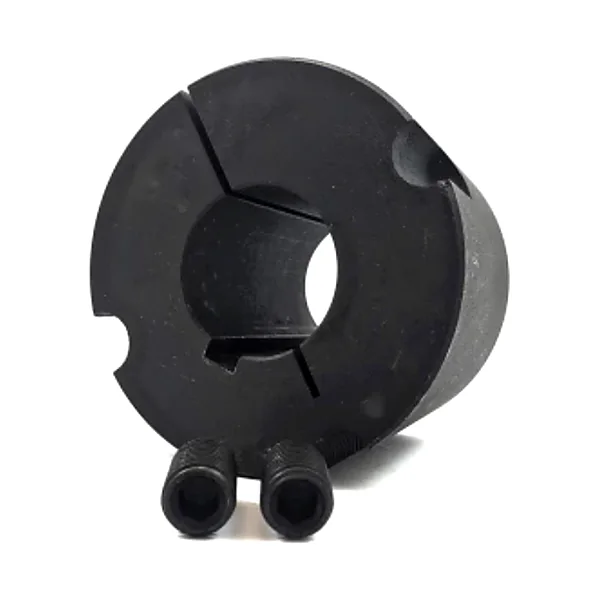
FAQ for this specific engineering task
Can fretting corrosion cause the symptom even if the bushing still looks usable?
For fretting corrosion, the working definition here is micro-movement damage that produces polishing, debris, and pitting at loaded interfaces. Check it against micro-movement; then use shaft fit as an independent reason to accept or reject the result. If the two checks disagree, keep the part or purchase decision on hold until the discrepancy is explained.
What evidence points to micro-movement as the root cause?
Do not treat micro-movement as a yes/no visual check. It is a verification point for micro-movement that needs an identified datum, document, or field observation before it can support shaft fit. In this article, document shaft fit beside it and use the field observation “Recheck after belt or chain tension is applied” as a practical cross-check before release.
How can shaft fit be checked without guessing?
shaft fit matters because it is the observed or specified condition for shaft fit that must be reconciled with vibration and keyway. A reliable record names the datum, tool, or controlled document used and shows how the finding changes vibration. Where keyway is model-dependent, obtain that value from the exact product data rather than estimating it.
What repair is appropriate when vibration is damaged?
Use vibration as one acceptance item, not as the whole specification: the machine-specific requirement for vibration; preserve the evidence that links it to keyway and the final check of fretting corrosion. Pair it with keyway, and if fretting corrosion points to another family or another condition, resolve that conflict before reuse, ordering, or start-up.
How do I prevent a repeat problem involving keyway?
The engineering question around keyway is whether its observed or controlled condition is consistent with fretting corrosion. Here, keyway means the shaft-and-bushing groove system that locates the key and must match width, depth, and condition. Preserve measurements or photos that let a later technician test the same conclusion against micro-movement, with shaft fit kept as a separate cross-check.
Need Help with a Replacement or Installation?
For a useful quotation, send the relevant details for fretting corrosion, micro-movement, shaft fit, vibration, and keyway from the actual application. This helps us review the application without mixing data from different components. Please include the known condition or identification of vibration and keyway, plus any drawing or installation document that provides series-specific limits.