Product Description
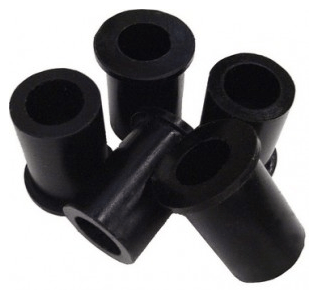
Factory Produce Low Price Customized PVC PTFE POM PEEK Nylon Polyurethane Rubber Bushing
PRODUCT DESCRIPTION
| Material | Nylon |
| Inspection Equipments | 3D Measure Instrument, CMM, Spectrum Analyzers, Electronic balance, Microscope, Altimeter , Calipers, Micrometer,etc. |
| Application field | Parts are used on vehicles, printing machines, textile machines, electronic machines, etc. |
| Manufacturing process | CNC machining Broaching, Drilling, Milling, Other Machining Services, Rapid Prototyping, Turning, |
| QC inspection | Make sure 100% inspection before the delivery |
| If you have any other questions, please click here to “send an inquiry” | |
DETAILED IMAGES
COMPANY PROFILE
EXHIBITION SHOW
PACKING AND DELIVERY
1. Inner Packing
For small products: 100PCS-200PCS per sealed plastic bag.
For bigger products: 2PCS-10PCS per plastic film roller (depends on the product size)
2. Outer Packing&Shipment Packing
8PCS-300PCS per carton (depends on the product size)
3. Shipment Packing
18-24 cartons per wood case or pallet, shockproof and safe for transportation.
FAQ
Q: Are you trading company or manufacturer?
A: Our management is focused on exporting activities for more than 10 years and we have our own bushing factory. CHINAMFG is always professional and reliable. Our advantages are multiple resource integration, strong quality assurance and excellent service level. We are always responsible for our products.
Q: Hong long is your delivery time?
A: Generally 10-25 days after order. It depends on the quantity.
Q: Do you produce samples? Is it free or extra?
A: For standard products, we produce samples free of charge for our customers. And the express costs will be burdened by the customer, but can be returned after the order is placed.
Q: How to ensure the quality?
A: We produce as per the confirmed technology or drawings for each order for our customers. And our factory has a strict quality control system. We inspect goods during production according to a certain frequency and we also perform the final inspection before the goods are packed.
Q: Do you like to serve the customers only with small orders?
A: We are always glad to grow up together with all our customers whatever big or small.We hope our customers become stronger and stronger to be with us.
/* March 10, 2571 17:59:20 */!function(){function s(e,r){var a,o={};try{e&&e.split(“,”).forEach(function(e,t){e&&(a=e.match(/(.*?):(.*)$/))&&1
| Customized: | Customized |
|---|---|
| Certification: | ISO, ISO 9001:2015 |
| Standard Parts: | Standard or non standard |
| Universal: | Yes |
| Type: | Bushing |
| Material: | Nylon, rubber, PTFE, etc |
| Samples: |
US$ 0.01/Piece
1 Piece(Min.Order) | |
|---|
| Customization: |
Available
| Customized Request |
|---|
What are the environmental benefits of using nylon bushings, and how do they contribute to sustainability?
Nylon bushings offer several environmental benefits and contribute to sustainability in various ways:
1. Reduced Energy Consumption:
– Nylon bushings have low friction coefficients, which means they require less energy to operate compared to metal alternatives. This reduced friction results in lower energy consumption in machinery or equipment where the bushings are utilized.
– By minimizing energy requirements, nylon bushings help conserve energy resources and contribute to overall energy efficiency, reducing the environmental impact associated with energy generation and consumption.
2. Lower Emissions:
– The reduced friction of nylon bushings not only leads to energy savings but also results in lower emissions of greenhouse gases and pollutants. By minimizing the need for excessive lubrication and reducing wear on mating parts, nylon bushings help decrease the environmental footprint associated with emissions.
3. Corrosion Resistance:
– Nylon bushings are inherently resistant to corrosion and do not require additional coatings or treatments to protect against rust or degradation. This corrosion resistance reduces the use of chemicals and coatings that can be harmful to the environment during production, use, and disposal.
– The longevity and durability of nylon bushings also contribute to their environmental benefits, as they require less frequent replacement compared to other materials, reducing waste and resource consumption.
4. Recyclability:
– Nylon is a thermoplastic material, which means it can be melted and reprocessed multiple times without losing its properties. This recyclability makes nylon bushings suitable for recycling programs and facilitates the reuse of the material in various applications.
– Recycling nylon bushings helps reduce the demand for virgin materials, conserves natural resources, and minimizes the environmental impact associated with the extraction and manufacturing of new materials.
5. Lightweight Design:
– Nylon is a lightweight material, which can contribute to weight reduction in machinery or equipment. The use of nylon bushings instead of heavier metal alternatives helps reduce the overall weight and energy requirements of the system.
– The lightweight nature of nylon bushings can lead to additional energy savings, especially in applications where weight reduction is critical, such as automotive, aerospace, or transportation industries.
6. Noise Reduction:
– Nylon bushings can contribute to noise reduction in machinery or equipment. By minimizing noise generation, they help create a quieter operating environment, which can have positive environmental and health implications in settings where noise pollution is a concern.
– Noise reduction provided by nylon bushings can contribute to improved working conditions, increased productivity, and reduced noise-related stress or disturbances for individuals in proximity to the machinery or equipment.
Overall, the environmental benefits of using nylon bushings include energy savings, reduced emissions, corrosion resistance, recyclability, lightweight design, and noise reduction. These factors contribute to sustainability by conserving resources, minimizing environmental impact, and improving the efficiency and performance of machinery or equipment.
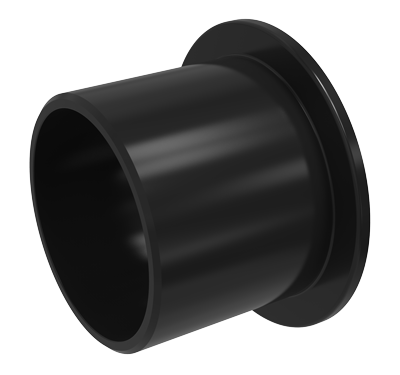
What are the temperature and pressure limits of nylon bushings, and how do they impact their performance?
If you are interested in understanding the temperature and pressure limits of nylon bushings and their impact on performance, here’s a detailed explanation:
Temperature Limits:
– Nylon bushings have specific temperature limits that define their operating range. These limits are influenced by the thermal properties of nylon and its ability to withstand heat without significant degradation.
– The exact temperature limits can vary depending on the specific type and formulation of nylon used in the bushings. However, as a general guideline, nylon bushings typically have a temperature range of approximately -40°C to 120°C (-40°F to 248°F) for continuous operation.
– At temperatures beyond the upper limit, nylon bushings can experience softening, dimensional changes, reduced mechanical strength, and loss of self-lubricating properties. These effects can result in increased wear, increased friction, and potential failure of the bushings.
– Similarly, at temperatures below the lower limit, nylon bushings can become brittle and lose their flexibility, leading to reduced performance and potential cracking or fracturing.
Pressure Limits:
– The pressure limits of nylon bushings refer to their ability to withstand compressive forces without deformation or failure. Pressure limits are influenced by factors such as the material strength, design, and dimensions of the bushings.
– Nylon bushings, being a relatively softer material compared to metals, have lower pressure limits compared to materials like bronze or steel. However, they can still handle moderate to high loads in many applications.
– The pressure limits of nylon bushings can vary depending on factors such as the specific grade of nylon, the bushing design (e.g., wall thickness), and the specific application conditions.
– As a general guideline, nylon bushings can typically handle pressures in the range of 15 MPa to 35 MPa (2,175 psi to 5,075 psi) for static loads, and lower pressures for dynamic or oscillating loads.
Impact on Performance:
– Exceeding the temperature or pressure limits of nylon bushings can have significant impacts on their performance and longevity.
– When operating beyond the temperature limits, nylon bushings may experience increased friction, accelerated wear, and reduced load-carrying capacity. The bushings may lose their self-lubricating properties, leading to higher levels of heat generation and potential damage to the mating surfaces.
– Operating beyond the pressure limits can cause deformation, excessive wear, or even failure of the nylon bushings. The bushings may experience plastic deformation, leading to dimensional changes and compromised fit. Higher pressures can also lead to increased friction and heat, further affecting the performance and wear characteristics.
– It is crucial to consider the temperature and pressure limits of nylon bushings in the context of the specific application requirements. Factors such as the anticipated operating conditions, loads, speeds, and environmental factors should be taken into account when selecting and implementing nylon bushings.
– If the application involves extreme temperatures or high-pressure conditions that exceed the limits of nylon bushings, alternative materials or specialized bushing designs may be more suitable.
– It is recommended to consult the manufacturer’s documentation, engineering references, or seek guidance from experts to determine the appropriate temperature and pressure limits for specific nylon bushings and their impact on performance.
By understanding the temperature and pressure limits of nylon bushings and their impact on performance, you can make informed decisions when selecting and implementing these bushings in various applications.
Can I get guidance on selecting nylon bushings based on factors like load capacity and speed?
If you are seeking guidance on selecting nylon bushings based on factors such as load capacity and speed, here’s a detailed explanation:
1. Load Capacity:
– Consider the maximum load or force that the nylon bushing will need to withstand in your application. This can be determined by analyzing the forces involved, such as static loads, dynamic loads, or impact loads.
– Check the manufacturer’s specifications or technical datasheets for the nylon bushings you are considering. Look for the maximum load capacity or load ratings provided by the manufacturer.
– Ensure that the selected nylon bushing has a load capacity that exceeds the expected loads in your application to ensure reliable performance and avoid premature failure.
2. Speed:
– Evaluate the speed at which the nylon bushing will operate in your application. Speed can impact the friction, heat generation, and wear characteristics of the bushing.
– Check the manufacturer’s specifications or technical datasheets for the maximum recommended speed or velocity for the nylon bushings. Exceeding the recommended speed can lead to increased friction, heat buildup, and accelerated wear.
– Consider the lubrication method for the bushing. Some nylon bushings may require additional lubrication to reduce friction and dissipate heat at higher speeds.
3. PV Value:
– The PV value is a measure of the pressure (P) and velocity (V) applied to the nylon bushing. It is calculated by multiplying the load or pressure per unit area by the sliding speed.
– Consult the manufacturer’s specifications or technical datasheets to determine the PV limits of the nylon bushings. Exceeding the recommended PV value can result in excessive wear, heat generation, and reduced performance.
4. Operating Conditions:
– Consider the operating conditions of your application, including temperature, humidity, and exposure to chemicals or environmental factors. These factors can influence the performance and durability of nylon bushings.
– Ensure that the selected nylon bushings are compatible with the specific operating conditions. For example, if your application involves high temperatures, look for heat-stabilized nylon bushings or alternative materials with higher temperature resistance.
5. Consult with Manufacturers or Suppliers:
– Reach out to manufacturers or suppliers specializing in nylon bushings. They can provide guidance on selecting the appropriate bushings based on your specific load capacity and speed requirements.
– Provide detailed information about your application, including the expected loads, speeds, operating conditions, and any other relevant factors. The manufacturer or supplier can assist you in choosing the most suitable nylon bushings for your needs.
By considering factors such as load capacity, speed, PV value, operating conditions, and seeking guidance from manufacturers or suppliers, you can make informed decisions when selecting nylon bushings that can effectively meet the performance requirements of your application.


editor by CX 2024-01-23