Product Description
Our Services
Product Design Material Selection
Mold Design Mold Making
Bulk Production Logo Printing
Surface Treatment Assembling
Packaging Door to Door Delivery
| Material | EPDM,Silicone,FKM,NBR,NR,SBR,IR,IIR,etc. |
| Color | Black, white, red, green, transparent or any color according to Pantone code |
| Size | As per customer’s requirements |
| Technology | Compression molding, injection molding, vacuum vulcanizing, extrusion |
| Surface Treatment | Powder coating, Zinc coating, Galvanization, Electro-deposition coating, Chrome/zinc/nickel plating, Polishing, Silkscreen, Black oxide |
| Application | Automotive, ATV, Mechanical equipment, Construction, Home appliance, Aviation, Office facilities, Agriculture, etc. |
| Shippment | We have longterm cooperation with internation shipping agent and express company, so that shipping safty and arriving time are secured |
Detail Image
Why Choose Us
CHINAMFG is a leading manufacture of OEM parts in rubber & plastic & metal parts. We are always pursuing providing better quality products in shorter period. With a knowledgeable team which has experience in molding and production, we are confident to help you develop and manufacture your product.
Our Machine
Product Range
Contact Us /* March 10, 2571 17:59:20 */!function(){function s(e,r){var a,o={};try{e&&e.split(“,”).forEach(function(e,t){e&&(a=e.match(/(.*?):(.*)$/))&&1
| Connection: | Flange |
|---|---|
| Type: | Flanged |
| Specifications: | Customized |
| Samples: |
US$ 999/Piece
1 Piece(Min.Order) | Order Sample For sample price, package information, and logisti
|
|---|
| Customization: |
Available
| Customized Request |
|---|
.shipping-cost-tm .tm-status-off{background: none;padding:0;color: #1470cc}
|
Shipping Cost:
Estimated freight per unit. |
about shipping cost and estimated delivery time. |
|---|
| Payment Method: |
|
|---|---|
|
Initial Payment Full Payment |
| Currency: | US$ |
|---|
| Return&refunds: | You can apply for a refund up to 30 days after receipt of the products. |
|---|
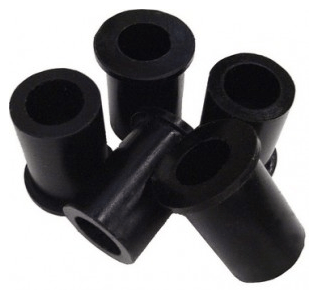
What are the environmental benefits of using nylon bushings, and how do they contribute to sustainability?
Nylon bushings offer several environmental benefits and contribute to sustainability in various ways:
1. Reduced Energy Consumption:
– Nylon bushings have low friction coefficients, which means they require less energy to operate compared to metal alternatives. This reduced friction results in lower energy consumption in machinery or equipment where the bushings are utilized.
– By minimizing energy requirements, nylon bushings help conserve energy resources and contribute to overall energy efficiency, reducing the environmental impact associated with energy generation and consumption.
2. Lower Emissions:
– The reduced friction of nylon bushings not only leads to energy savings but also results in lower emissions of greenhouse gases and pollutants. By minimizing the need for excessive lubrication and reducing wear on mating parts, nylon bushings help decrease the environmental footprint associated with emissions.
3. Corrosion Resistance:
– Nylon bushings are inherently resistant to corrosion and do not require additional coatings or treatments to protect against rust or degradation. This corrosion resistance reduces the use of chemicals and coatings that can be harmful to the environment during production, use, and disposal.
– The longevity and durability of nylon bushings also contribute to their environmental benefits, as they require less frequent replacement compared to other materials, reducing waste and resource consumption.
4. Recyclability:
– Nylon is a thermoplastic material, which means it can be melted and reprocessed multiple times without losing its properties. This recyclability makes nylon bushings suitable for recycling programs and facilitates the reuse of the material in various applications.
– Recycling nylon bushings helps reduce the demand for virgin materials, conserves natural resources, and minimizes the environmental impact associated with the extraction and manufacturing of new materials.
5. Lightweight Design:
– Nylon is a lightweight material, which can contribute to weight reduction in machinery or equipment. The use of nylon bushings instead of heavier metal alternatives helps reduce the overall weight and energy requirements of the system.
– The lightweight nature of nylon bushings can lead to additional energy savings, especially in applications where weight reduction is critical, such as automotive, aerospace, or transportation industries.
6. Noise Reduction:
– Nylon bushings can contribute to noise reduction in machinery or equipment. By minimizing noise generation, they help create a quieter operating environment, which can have positive environmental and health implications in settings where noise pollution is a concern.
– Noise reduction provided by nylon bushings can contribute to improved working conditions, increased productivity, and reduced noise-related stress or disturbances for individuals in proximity to the machinery or equipment.
Overall, the environmental benefits of using nylon bushings include energy savings, reduced emissions, corrosion resistance, recyclability, lightweight design, and noise reduction. These factors contribute to sustainability by conserving resources, minimizing environmental impact, and improving the efficiency and performance of machinery or equipment.
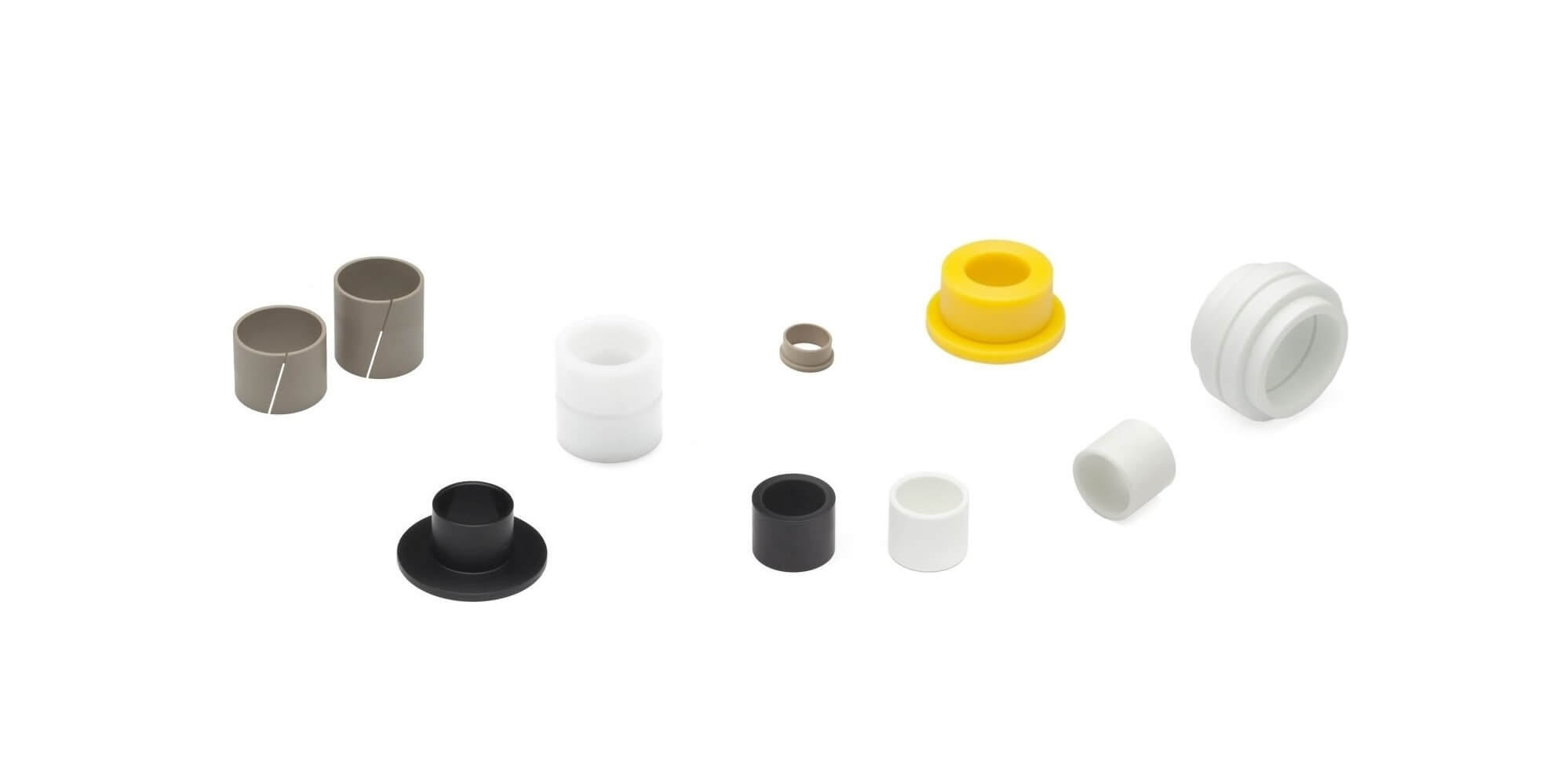
What are the common sizes and dimensions of nylon bushings, and how do I choose the right one for my application?
If you are wondering about the common sizes and dimensions of nylon bushings and how to choose the right one for your application, here’s a detailed explanation:
1. Common Sizes and Dimensions:
– Nylon bushings come in a variety of sizes and dimensions to accommodate different shaft diameters and housing bores. The specific sizes and dimensions can vary based on the manufacturer and the intended application.
– Common sizes for nylon bushings typically range from small diameters, such as 6 mm (0.24 inches), to larger diameters, such as 50 mm (1.97 inches) or more. The length or height of the bushings can also vary depending on the design and requirements.
– Nylon bushings may have standard metric or imperial sizes, and they are often categorized by their inner diameter (shaft size) and outer diameter (housing bore size).
2. Choosing the Right Nylon Bushing:
– Determine the shaft diameter and housing bore diameter of your application. These dimensions will help you select a nylon bushing with the appropriate inner and outer diameters.
– Consider the clearance or tolerance requirements for your application. Nylon bushings are available in different clearance fits, such as sliding fits or press fits, to accommodate specific clearance or interference requirements between the shaft and housing.
– Assess the load capacity and expected operating conditions of your application. Different nylon bushings may have varying load capacities and performance characteristics, so choose a bushing that can handle the anticipated loads and environmental factors.
– Take into account the specific requirements of your application, such as temperature resistance, chemical compatibility, or electrical insulation properties. Nylon bushings with additional features or modifications may be available to meet these specific needs.
– Consult the manufacturer’s specifications or technical documentation for the nylon bushings you are considering. This information will provide details on the recommended applications, load capacities, dimensions, and other relevant factors.
– If you are unsure about the selection process, reach out to the manufacturer or supplier for assistance. They can provide guidance based on your application requirements and help you choose the right nylon bushing.
It is important to note that selecting the right nylon bushing involves considering various factors, including size, dimensions, clearance, load capacity, operating conditions, and specific application requirements. By carefully assessing these factors and consulting with manufacturers or suppliers, you can choose a nylon bushing that is suitable for your application and ensures optimal performance and longevity.
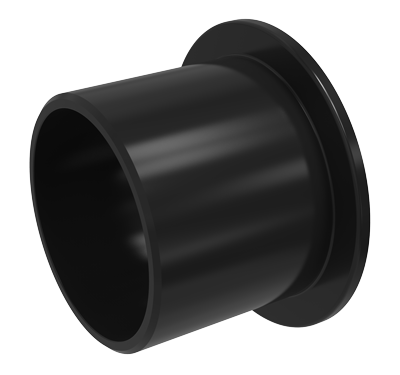
What are the advantages of using nylon bushings over other materials in mechanical applications?
When it comes to mechanical applications, using nylon bushings offers several advantages over other materials. Here’s a detailed explanation:
1. Self-Lubricating Properties:
– Nylon bushings have inherent self-lubricating properties, which reduce the need for additional lubrication. The low friction coefficient of nylon helps in smooth and efficient operation, reducing wear and extending the lifespan of the bushing and the mating parts.
– Self-lubricating nylon bushings are particularly beneficial in applications where frequent maintenance or lubrication is impractical or challenging, such as in hard-to-reach areas or in environments with limited access.
2. Excellent Wear Resistance:
– Nylon bushings have excellent wear resistance, making them suitable for applications with high loads or repetitive motion. They can withstand continuous contact and friction without significant wear or degradation.
– The inherent toughness and durability of nylon make it resistant to abrasion, allowing the bushings to maintain their performance and dimensional stability over time.
3. Low Coefficient of Friction:
– Nylon bushings have a low coefficient of friction, which minimizes the resistance to motion. This low friction characteristic helps reduce energy consumption, minimize heat generation, and improve operational efficiency.
– The low friction coefficient of nylon bushings also contributes to smoother and quieter operation, reducing noise and vibration in mechanical systems.
4. Corrosion Resistance:
– Nylon is inherently resistant to corrosion from moisture, chemicals, and most industrial environments. This corrosion resistance makes nylon bushings suitable for applications where exposure to harsh conditions or corrosive substances is a concern.
– Unlike metal bushings that may require additional protective coatings or regular maintenance to prevent corrosion, nylon bushings can withstand corrosive environments without compromising their performance.
5. Lightweight and Cost-Effective:
– Nylon is a lightweight material, which can contribute to overall weight reduction in mechanical systems. This is particularly advantageous in applications where weight is a critical factor, such as aerospace or automotive industries.
– Nylon bushings are often cost-effective compared to other materials, such as bronze or stainless steel. They offer a balance of performance and affordability, making them a cost-efficient choice for various mechanical applications.
6. Electrical Insulation:
– Nylon is an excellent electrical insulator, providing insulation and preventing electrical current flow between mechanical components. This property is beneficial in applications where electrical conductivity needs to be minimized, ensuring safety and preventing electrical interference.
– Nylon bushings can help isolate and protect electrical systems or components in machinery, reducing the risk of electrical shorts, arcing, or damage.
By leveraging the self-lubricating properties, excellent wear resistance, low coefficient of friction, corrosion resistance, lightweight nature, cost-effectiveness, and electrical insulation properties of nylon bushings, mechanical applications can benefit from improved performance, reduced maintenance requirements, and extended operational lifespan.


editor by CX 2023-12-26