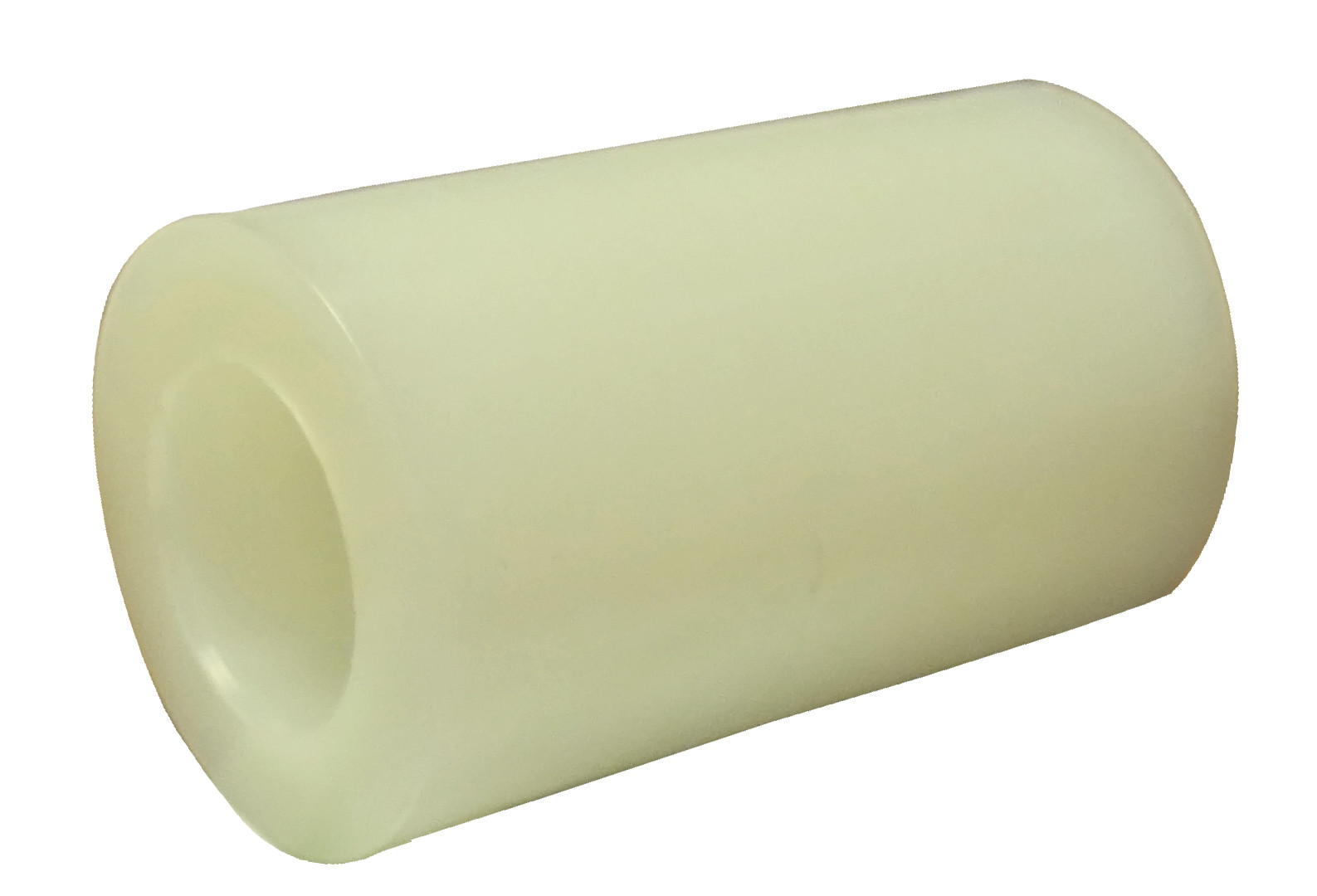
Can I get recommendations for nylon bushings suitable for use in outdoor or marine applications?
If you are looking for recommendations on nylon bushings suitable for outdoor or marine applications, here are some factors to consider and potential options:
1. Material Selection:
– When choosing nylon bushings for outdoor or marine applications, it is important to select a material that is resistant to environmental factors such as moisture, UV radiation, and saltwater corrosion.
– Look for nylon materials that are specifically formulated for enhanced outdoor or marine performance. These formulations often include additives or reinforcements to improve resistance to degradation caused by exposure to harsh outdoor or marine conditions.
2. Self-Lubricating Properties:
– Self-lubricating nylon bushings are particularly beneficial for outdoor or marine applications as they can reduce the need for additional lubrication and maintenance.
– Consider nylon bushings that have built-in solid lubricants such as PTFE (polytetrafluoroethylene) or graphite. These lubricating additives provide low friction and self-lubricating properties, enhancing the bushings’ performance and reducing wear in demanding outdoor or marine environments.
3. Corrosion Resistance:
– In marine applications, where exposure to saltwater is common, it is crucial to choose nylon bushings that have excellent corrosion resistance.
– Look for nylon materials that are specifically engineered to resist the corrosive effects of saltwater. These materials often have enhanced resistance to chemical degradation, preventing rust or corrosion of the bushings over time.
4. Load-Bearing Capacity:
– Consider the anticipated loads and stresses in your outdoor or marine application when selecting nylon bushings. Ensure that the chosen bushings have sufficient load-bearing capacity to withstand the expected forces and provide reliable performance.
– Depending on the specific requirements of your application, you may need to choose nylon bushings with reinforced fibers or higher mechanical strength to handle heavy loads.
5. Application-Specific Considerations:
– Outdoor and marine applications can vary widely in their specific requirements. Consider any unique factors or challenges in your application, such as temperature extremes, exposure to abrasive elements, or high levels of vibration.
– Based on your specific needs, consult with manufacturers, suppliers, or industry experts who specialize in nylon bushings for outdoor or marine applications. They can provide tailored recommendations based on their expertise and knowledge of available products.
Examples of Nylon Bushing Brands:
– Some well-known brands that offer nylon bushings suitable for outdoor or marine applications include:
1. Igus: Igus manufactures a range of self-lubricating nylon bushings designed for various industries, including marine applications. They offer corrosion-resistant options and have a wide selection of sizes and designs.
2. GGB Bearing Technology: GGB Bearing Technology produces nylon bushings with enhanced resistance to corrosion, moisture, and UV radiation. They offer specialized solutions for marine applications, including their GGB EP® series.
3. BNL Ltd.: BNL Ltd. offers nylon bushings specifically designed for outdoor and marine use. Their products are resistant to saltwater corrosion and provide self-lubricating properties for reduced maintenance.
4. Trelleborg Sealing Solutions: Trelleborg Sealing Solutions manufactures high-performance nylon bushings suitable for marine and outdoor applications. Their bushings offer excellent resistance to chemicals, moisture, and UV radiation.
Remember to review the product specifications, performance characteristics, and compatibility with your specific application requirements before making a final selection.
By considering the factors mentioned above and exploring reputable brands that specialize in nylon bushings for outdoor or marine applications, you can make an informed decision and find the most suitable nylon bushings for your needs.
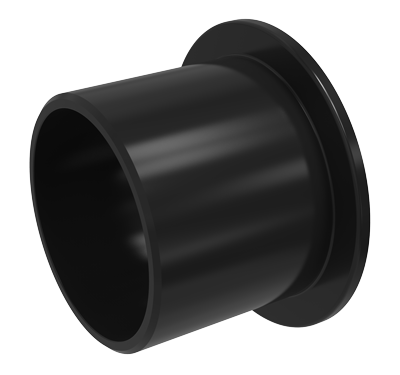
What are the temperature and pressure limits of nylon bushings, and how do they impact their performance?
If you are interested in understanding the temperature and pressure limits of nylon bushings and their impact on performance, here’s a detailed explanation:
Temperature Limits:
– Nylon bushings have specific temperature limits that define their operating range. These limits are influenced by the thermal properties of nylon and its ability to withstand heat without significant degradation.
– The exact temperature limits can vary depending on the specific type and formulation of nylon used in the bushings. However, as a general guideline, nylon bushings typically have a temperature range of approximately -40°C to 120°C (-40°F to 248°F) for continuous operation.
– At temperatures beyond the upper limit, nylon bushings can experience softening, dimensional changes, reduced mechanical strength, and loss of self-lubricating properties. These effects can result in increased wear, increased friction, and potential failure of the bushings.
– Similarly, at temperatures below the lower limit, nylon bushings can become brittle and lose their flexibility, leading to reduced performance and potential cracking or fracturing.
Pressure Limits:
– The pressure limits of nylon bushings refer to their ability to withstand compressive forces without deformation or failure. Pressure limits are influenced by factors such as the material strength, design, and dimensions of the bushings.
– Nylon bushings, being a relatively softer material compared to metals, have lower pressure limits compared to materials like bronze or steel. However, they can still handle moderate to high loads in many applications.
– The pressure limits of nylon bushings can vary depending on factors such as the specific grade of nylon, the bushing design (e.g., wall thickness), and the specific application conditions.
– As a general guideline, nylon bushings can typically handle pressures in the range of 15 MPa to 35 MPa (2,175 psi to 5,075 psi) for static loads, and lower pressures for dynamic or oscillating loads.
Impact on Performance:
– Exceeding the temperature or pressure limits of nylon bushings can have significant impacts on their performance and longevity.
– When operating beyond the temperature limits, nylon bushings may experience increased friction, accelerated wear, and reduced load-carrying capacity. The bushings may lose their self-lubricating properties, leading to higher levels of heat generation and potential damage to the mating surfaces.
– Operating beyond the pressure limits can cause deformation, excessive wear, or even failure of the nylon bushings. The bushings may experience plastic deformation, leading to dimensional changes and compromised fit. Higher pressures can also lead to increased friction and heat, further affecting the performance and wear characteristics.
– It is crucial to consider the temperature and pressure limits of nylon bushings in the context of the specific application requirements. Factors such as the anticipated operating conditions, loads, speeds, and environmental factors should be taken into account when selecting and implementing nylon bushings.
– If the application involves extreme temperatures or high-pressure conditions that exceed the limits of nylon bushings, alternative materials or specialized bushing designs may be more suitable.
– It is recommended to consult the manufacturer’s documentation, engineering references, or seek guidance from experts to determine the appropriate temperature and pressure limits for specific nylon bushings and their impact on performance.
By understanding the temperature and pressure limits of nylon bushings and their impact on performance, you can make informed decisions when selecting and implementing these bushings in various applications.
Can I find recommendations for nylon bushings suitable for high-temperature environments?
If you are looking for recommendations on nylon bushings suitable for high-temperature environments, there are several options available. Here’s a detailed explanation:
1. Specialty Nylon Materials:
– Certain specialty nylon materials are specifically designed to withstand high-temperature environments. These materials are formulated with additives or reinforcements that enhance their heat resistance.
– Look for nylon bushings made from materials such as heat-stabilized nylon, glass-filled nylon, or other high-temperature resistant nylon variants. These materials can offer improved thermal stability and resistance to deformation at elevated temperatures.
2. Manufacturer or Supplier Recommendations:
– Reach out to manufacturers or suppliers that specialize in nylon bushings for industrial applications. They can provide specific recommendations based on your temperature requirements and the operating conditions of your application.
– Manufacturers or suppliers with expertise in high-temperature applications can guide you on selecting the appropriate nylon bushing materials and designs that can withstand the specific temperature range you need.
3. Technical Datasheets and Product Specifications:
– Consult the technical datasheets and product specifications provided by nylon bushing manufacturers. These documents often contain information on the maximum recommended operating temperature for their products.
– Look for bushings that are explicitly labeled or described as suitable for high-temperature applications. The datasheets may provide details on the temperature range, thermal properties, and performance characteristics of the nylon bushings.
4. Industry Standards and Guidelines:
– Explore industry standards and guidelines related to high-temperature applications in your specific field. Organizations and standards bodies often provide recommendations or specifications for materials suitable for elevated temperature environments.
– For example, in the automotive industry, organizations such as the Society of Automotive Engineers (SAE) or Original Equipment Manufacturers (OEMs) may have guidelines or requirements for nylon bushings used in high-temperature engine compartments.
5. Application-Specific Testing and Validation:
– If your application involves extreme temperatures or unique conditions, consider conducting application-specific testing and validation to ensure the suitability of nylon bushings.
– Work with experienced engineers or testing laboratories to evaluate the performance of different nylon bushing options under the specific high-temperature conditions of your application. This can help identify the most suitable nylon bushing material and design for your needs.
6. Consider Alternative Materials:
– In some cases, nylon may not be the optimal choice for extremely high-temperature environments. Consider exploring alternative materials such as specialized heat-resistant plastics, ceramics, or metal alloys that offer higher temperature capabilities.
– Consult with experts or seek professional advice to determine if alternative materials are more suitable for your specific high-temperature application.
By considering specialty nylon materials, seeking manufacturer recommendations, reviewing technical datasheets, referring to industry standards, conducting application-specific testing, and exploring alternative materials, you can find recommendations for nylon bushings that can effectively withstand high-temperature environments in your mechanical applications.


editor by CX 2024-02-04