Bushings & Hubs engineering guide
Connect machine duty to mounting architecture
Start this application task at qd weld-on hub; then use qd bushing to challenge the first assumption before fabricated sprocket is accepted. Define the operating duty first, then connect qd weld-on hub, qd bushing and fabricated sprocket to the hub architecture, environment and maintenance path. A successful part fits the whole machine, not only the shaft.
What to Consider
This article keeps qd weld-on hub, qd bushing, and fabricated sprocket connected to taper bore and welding. Each is treated as an engineering input with its own evidence, not as a keyword that can stand in for the others.
Boundary for model-specific values
Values tied to a specific series—such as torque, tolerance, material, balance, or capacity—remain controlled data. For taper bore, consult the applicable drawing or installation sheet; for welding, record the requirement rather than borrowing a value from another family.
Interfaces to Confirm
- qd weld-on hub
- a split flanged tapered bushing used with dedicated QD hub geometry. Pair the observation with qd bushing; if fabricated sprocket disagrees, preserve the discrepancy for engineering review.
- qd bushing
- a split flanged tapered bushing used with dedicated QD hub geometry. Document the datum or source, then show how it affects fabricated sprocket and whether taper bore remains compatible.
- fabricated sprocket
- the machine-specific requirement for fabricated sprocket; preserve the evidence that links it to taper bore and the final check of welding. Treat the value as incomplete until taper bore and welding have been checked on the same assembly.
- taper bore
- the taper bore requirement carried by this machine; document its actual condition and its effect on welding and qd weld-on hub. Relate it directly to welding and qd weld-on hub; do not close the step from this variable alone.
- welding
- the welding requirement carried by this machine; document its actual condition and its effect on qd weld-on hub and qd bushing. Use qd weld-on hub as the first cross-check and qd bushing as the second before the result enters the RFQ or work order.
QD weld-on hubs bring a standard bushing interface into fabricated components
A QD weld-on hub is useful when a fabricated plate, sprocket or similar component needs to accept a standard QD bushing family. The hub provides the taper and drilled/tapped geometry for the bushing while its outside is integrated by welding. Select the hub reference to match the required QD frame, then design the fabrication around hub position, weld access and the finished component’s runout requirement. Protect the precision taper and threads throughout welding and cleanup.
After welding, inspect the hub after cooling rather than relying on fixture position before the weld. Confirm concentricity, face orientation and thread condition before installing the bushing. The installation procedure remains the QD procedure for the exact frame; welding does not change the need for correct surface condition, screw-hole function and model-specific torque. This separation keeps fabrication variables from being confused with bushing installation variables.
Inspection Checklist
- Capture qd weld-on hub before disturbing the assembly.
- Cross-check qd bushing against fabricated sprocket rather than treating either value alone.
- Keep any uncertainty around welding visible in the job record or RFQ.
Product context
The on-site product context can be checked on the QD weld-on hubs page while reviewing qd weld-on hub and welding; keep final acceptance tied to the exact part, shaft and controlled data.
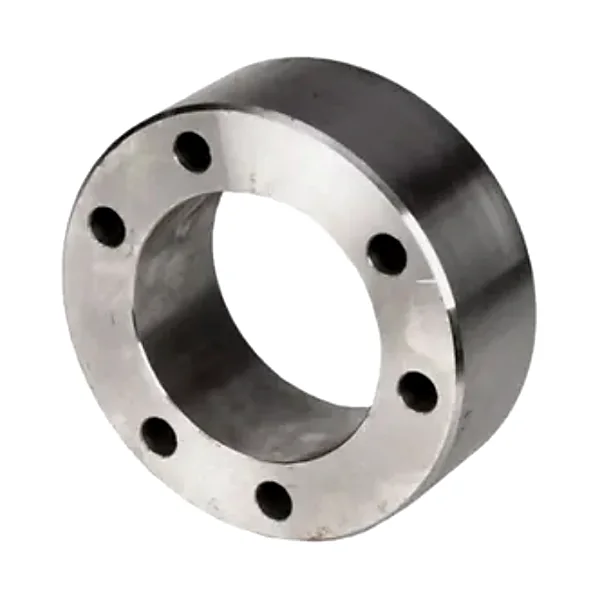
Weld-on hubs add fabrication variables to the interface
Build the fabricated sprocket check from three field observations. First, keep weld spatter out of taper and threads. Next, inspect after cooling because distortion can appear after release from the fixture. Use taper bore to decide whether the two observations tell the same story.
Define fixture datums and inspect runout or concentricity after welding and cooling, before the bushing is installed. That confirmation matters here because machining or selecting the bushing correctly cannot compensate for a hub that was welded out of position or distorted by an uncontrolled sequence. If welding points in a different direction, keep the part on hold until the conflict is resolved. The verified taper bore weld-on hubs page provides product-family context for fabricated sprocket; the exact drawing still governs acceptance.
Inspection sequence
- Fixture from functional datums, not rough flame-cut edges. Relate this observation to taper bore.
- A weld-on hub becomes part of the fabricated sprocket, pulley, plate, or impeller. Welding can move the hub, distort thin sections, or contaminate precision surfaces that later control bushing seating. Relate this observation to welding.
- Link the result to welding in the job record. Relate this observation to qd weld-on hub.
Selection Summary
The fabricated sprocket entry should name its datum, inspection method, and the evidence used to reconcile taper bore with welding.
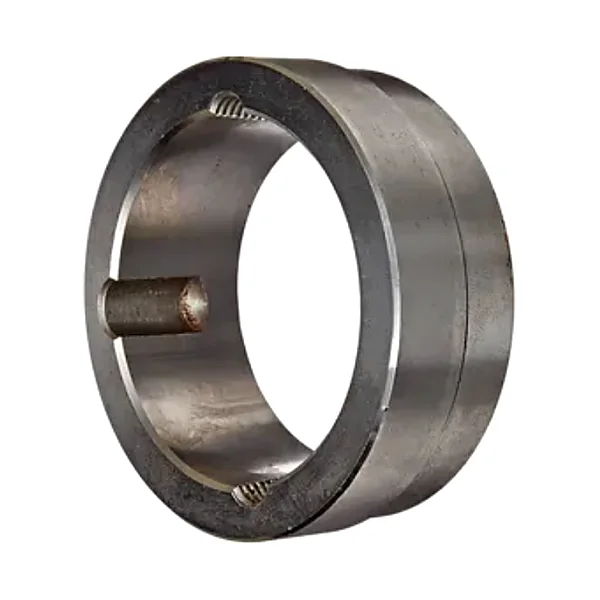
Cross-check the interfaces in one view
| Interface | Evidence to collect | Why a mismatch matters |
|---|---|---|
| qd weld-on hub | Keep weld spatter out of taper and threads. | If qd weld-on hub is wrong, a correct-looking qd bushing cannot rescue the interface; the release decision must be reopened. |
| qd bushing | Keep arc strikes and spatter away from precision surfaces. | A discrepancy in qd bushing can invalidate the interpretation of fabricated sprocket, even when several other dimensions are close. |
| fabricated sprocket | Inspect after cooling because distortion can appear after release from the fixture. | Treat fabricated sprocket as a hard gate because an error here can make taper bore misleading or nonfunctional in service. |
| taper bore | Verify runout after welding, not only before. | Do not average away a problem in taper bore; it may be the reason welding appears to fit on the bench but fails in service. |
| welding | Fixture from functional datums, not rough flame-cut edges. | When welding conflicts with the controlled data, stop before accepting qd weld-on hub as evidence of compatibility. |
| Release gate | Any unresolved conflict among qd weld-on hub, qd bushing, and welding stays visible in the engineering handoff. | |
Welding sequence can move a hub that was correctly machined
Build the taper bore check from three field observations. First, verify runout after welding, not only before. Next, plan weld access before selecting hub orientation. Use welding to decide whether the two observations tell the same story.
Inspect the fabricated component after cooling and after any stress-relief or machining operation that can change the hub position. That confirmation matters here because installing the bushing into a distorted hub can create uneven taper contact and permanent runout in the finished sprocket, pulley, or plate assembly. If qd weld-on hub points in a different direction, keep the part on hold until the conflict is resolved.
Before You Order
The taper bore entry should name its datum, inspection method, and the evidence used to reconcile welding with qd weld-on hub.
Machine Checks
- Keep arc strikes and spatter away from precision surfaces. Relate this observation to welding.
- Thermal expansion and weld shrinkage can pull a hub off center or out of square even when the pre-weld setup was accurate. Relate this observation to qd weld-on hub.
- Link the result to qd weld-on hub in the job record. Relate this observation to qd bushing.
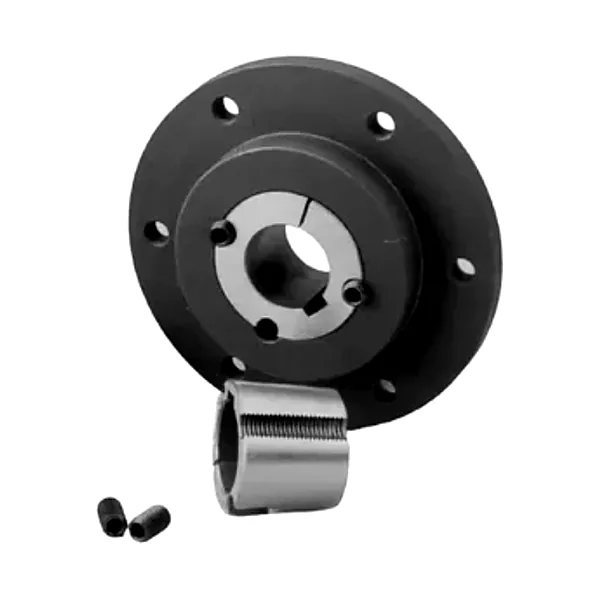
Use the machine architecture to eliminate wrong families
Start with qd weld-on hub and qd bushing on the actual machine, then identify the hub or mounted element that controls fabricated sprocket. That sequence keeps a familiar product family from overriding a physical mismatch. Add duty and environment only after the geometry is understood.
Compare technically valid options through taper bore and welding: access, spares, downtime, inspection, and failure consequence. If the application data are incomplete, keep the uncertainty visible in the RFQ rather than substituting a generic rating or a value from another series.
Related Product Options
The verified taper bore bolt-on hubs page supplies product context for qd bushing. Keep taper bore and welding tied to the machine record rather than inferring them from the page image.
Technical Reference
For model-specific instructions involving qd weld-on hub and welding, consult the industrial bushing family overview that matches the selected family. Keep torque, hole functions, lubrication directions, and other controlled values with that product rather than transferring them across families.
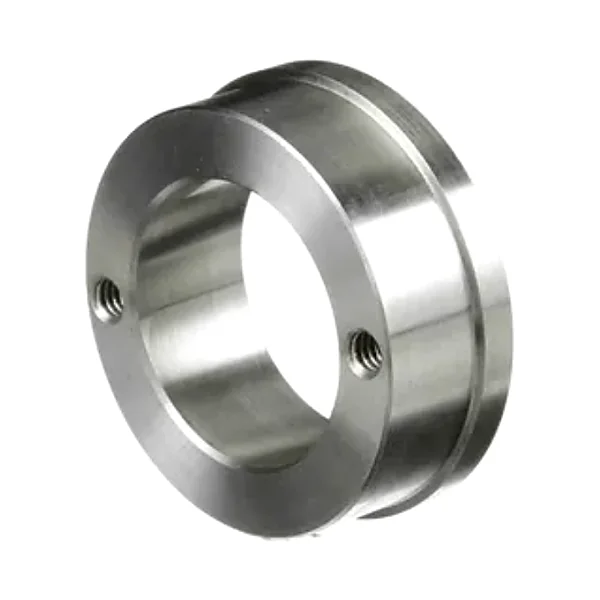
Practical questions from replacement work
How does qd weld-on hub change the application decision?
qd weld-on hub matters because it is a split flanged tapered bushing used with dedicated QD hub geometry. A reliable record names the datum, tool, or controlled document used and shows how the finding changes qd bushing. Where fabricated sprocket is model-dependent, obtain that value from the exact product data rather than estimating it.
What machine data should be paired with qd bushing?
Use qd bushing as one acceptance item, not as the whole specification: a split flanged tapered bushing used with dedicated QD hub geometry. Pair it with fabricated sprocket, and if taper bore points to another family or another condition, resolve that conflict before reuse, ordering, or start-up.
Can the same bushing family be used when fabricated sprocket changes?
The engineering question around fabricated sprocket is whether its observed or controlled condition is consistent with taper bore. Here, fabricated sprocket means the machine-specific requirement for fabricated sprocket; preserve the evidence that links it to taper bore and the final check of welding. Preserve measurements or photos that let a later technician test the same conclusion against welding, with qd weld-on hub kept as a separate cross-check.
How does taper bore affect maintenance access or downtime?
For taper bore, the working definition here is the taper bore requirement carried by this machine; document its actual condition and its effect on welding and qd weld-on hub. Check it against welding; then use qd weld-on hub as an independent reason to accept or reject the result. If the two checks disagree, keep the part or purchase decision on hold until the discrepancy is explained.
What should be verified about welding before release to production?
Do not treat welding as a yes/no visual check. It is the welding requirement carried by this machine; document its actual condition and its effect on qd weld-on hub and qd bushing. In this article, document qd weld-on hub beside it and use the field observation “Fixture from functional datums, not rough flame-cut edges” as a practical cross-check before release.
Discuss Your Bushing & Hub Application
For a useful inquiry, send information about qd weld-on hub, qd bushing, and fabricated sprocket from the actual assembly. If taper bore or welding is uncertain, include the part marking, measurements, photos, or drawings you have rather than guessing. If a model-specific number is needed for taper bore or welding, send the current instructions or series identification so we can avoid assumptions.