Bushings & Hubs engineering guide
Use interface differences to make the choice
Start this comparison task at nylon bushing; then use plain bushing to challenge the first assumption before tapered steel bushing is accepted. Treat nylon bushing, plain bushing and tapered steel bushing as separate compatibility gates. The preferred or interchangeable option is the one that preserves geometry, fastener function, service access and machine duty at the same time.
What to Consider
This article keeps nylon bushing, plain bushing, and tapered steel bushing connected to sliding motion and shaft-to-hub connection. Each is treated as an engineering input with its own evidence, not as a keyword that can stand in for the others.
Boundary for model-specific values
Where sliding motion or shaft-to-hub connection carries a numerical limit, mark it as “verify from exact product data” until the selected series is confirmed. That prevents a neighboring frame from supplying a plausible but wrong value.
Five Inputs That Shape the Selection
- nylon bushing
- the nylon bushing requirement carried by this machine; document its actual condition and its effect on plain bushing and tapered steel bushing. Treat the value as incomplete until plain bushing and tapered steel bushing have been checked on the same assembly.
- plain bushing
- a bearing sleeve that supports sliding or rotating motion between a shaft or pin and a housing. Relate it directly to tapered steel bushing and sliding motion; do not close the step from this variable alone.
- tapered steel bushing
- an engineering input for tapered steel bushing whose geometry, state, or requirement must agree with sliding motion before shaft-to-hub connection is released. Use sliding motion as the first cross-check and shaft-to-hub connection as the second before the result enters the RFQ or work order.
- sliding motion
- an engineering input for sliding motion whose geometry, state, or requirement must agree with shaft-to-hub connection before nylon bushing is released. Pair the observation with shaft-to-hub connection; if nylon bushing disagrees, preserve the discrepancy for engineering review.
- shaft-to-hub connection
- the machine-specific requirement for shaft-to-hub connection; preserve the evidence that links it to nylon bushing and the final check of plain bushing. Document the datum or source, then show how it affects nylon bushing and whether plain bushing remains compatible.
Nylon plain bushings and tapered steel bushings perform different mechanical functions
A nylon or other polymer plain bushing is a bearing surface: a shaft or pin moves relative to the bushing, and selection is driven by bearing pressure, sliding speed, shaft finish, temperature, moisture, wear and material behavior. A tapered steel bushing in a power-transmission hub is primarily a mounting and locking interface intended to connect a pulley, sprocket, gear or hub to a shaft. Its critical variables are shaft and key geometry, mating taper, clamp method, transmitted duty and installation procedure.
That functional difference changes measurement and maintenance. A press-fit polymer bearing may reach its final inside dimension only after installation in the housing and can require material-specific measurement methods. A tapered steel bushing is judged by its compatibility with the shaft and hub and by controlled seating of the taper. Do not transfer clearance, lubrication or load rules from one category to the other. Start every RFQ by stating whether relative sliding motion is required or whether the hub must be locked to the shaft.
Product context
The on-site product context can be checked on the industrial taper bushing range page while reviewing nylon bushing and shaft-to-hub connection; keep final acceptance tied to the exact part, shaft and controlled data.
Three checks to keep
- Capture nylon bushing before disturbing the assembly.
- Cross-check plain bushing against tapered steel bushing rather than treating either value alone.
- Keep any uncertainty around shaft-to-hub connection visible in the job record or RFQ.
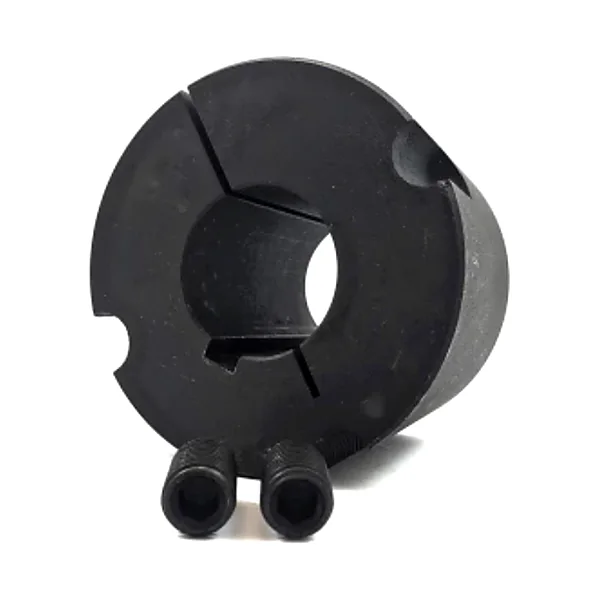
Environment changes the material and maintenance decision
Build the tapered steel bushing check from three field observations. First, state whether the machine is indoors, outdoors, washdown, or corrosive. Next, include cleaning chemicals in the RFQ when they can reach the interface. Use sliding motion to decide whether the two observations tell the same story.
Confirm material, finish, cleaning method, and environmental limits from the exact product specification. Where stainless or special finishes are required, verify the complete bushing-and-hub pair rather than only one component. That confirmation matters here because a component selected only for geometry may seize during removal, corrode at the keyway, or lose accurate seating after aggressive cleaning or contamination. If shaft-to-hub connection points in a different direction, keep the part on hold until the conflict is resolved. The verified standard QD bushings page provides product-family context for tapered steel bushing; the exact drawing still governs acceptance.
Before You Order
The tapered steel bushing entry should name its datum, inspection method, and the evidence used to reconcile sliding motion with shaft-to-hub connection.
Verification set
- Protect precision tapers from paint, scale, and grit. Relate this observation to sliding motion.
- Corrosion on tapers, trapped abrasive material, and temperature-driven dimensional change can affect assembly and later removal. Material and coating choices therefore belong in the selection record, not as an afterthought. Relate this observation to shaft-to-hub connection.
- Link the result to shaft-to-hub connection in the job record. Relate this observation to nylon bushing.
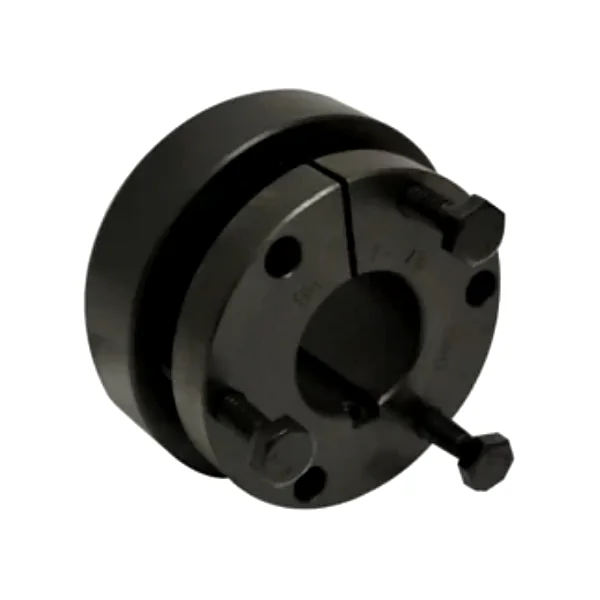
Acceptance matrix for the shaft connection
| Interface | Evidence to collect | Why a mismatch matters |
|---|---|---|
| nylon bushing | State whether the machine is indoors, outdoors, washdown, or corrosive. | A discrepancy in nylon bushing can invalidate the interpretation of plain bushing, even when several other dimensions are close. |
| plain bushing | Tapered locking bushing: hub clamped to shaft. | Treat plain bushing as a hard gate because an error here can make tapered steel bushing misleading or nonfunctional in service. |
| tapered steel bushing | Include cleaning chemicals in the RFQ when they can reach the interface. | Do not average away a problem in tapered steel bushing; it may be the reason sliding motion appears to fit on the bench but fails in service. |
| sliding motion | Plain bushing: relative sliding motion at the bore. | When sliding motion conflicts with the controlled data, stop before accepting shaft-to-hub connection as evidence of compatibility. |
| shaft-to-hub connection | Protect precision tapers from paint, scale, and grit. | If shaft-to-hub connection is wrong, a correct-looking nylon bushing cannot rescue the interface; the release decision must be reopened. |
| Release gate | Hold the part if sliding motion or shaft-to-hub connection remains unresolved after the primary interface checks. | |
A nylon or polymer plain bushing is not the same component as a tapered shaft-locking bushing
At the sliding motion interface, classify the function first. A polymer plain bushing is a sliding bearing surface between a shaft or pin and a housing; a tapered steel bushing is primarily a shaft-to-hub locking and mounting interface for a pulley, sprocket, gear, or similar component. In this article, compare that result with shaft-to-hub connection before accepting the observation.
The selection variables are therefore different. Plain bearings are evaluated by bearing pressure, sliding speed, shaft finish, temperature, moisture, wear, and lubrication regime; tapered bushings are evaluated by shaft and hub geometry, torque transfer, keying, clamping, and installation. The release test for sliding motion is therefore tied to nylon bushing. Before contacting a supplier, write one sentence describing the relative motion: “shaft rotates/slides inside bearing” or “hub must lock to shaft.” That distinction directs the rest of the specification.
On-Machine Checks
- Plain bushing: relative sliding motion at the bore. Relate this observation to shaft-to-hub connection.
- Tapered locking bushing: hub clamped to shaft. Relate this observation to nylon bushing.
- Do not transfer load or clearance rules from one category to the other. Relate this observation to plain bushing.
What closes this check
The sliding motion entry should name its datum, inspection method, and the evidence used to reconcile shaft-to-hub connection with nylon bushing.
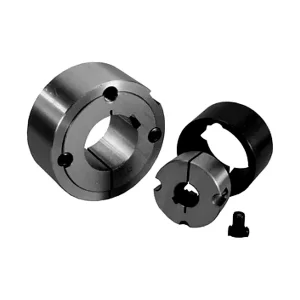
Prove interchangeability one interface at a time
Prove nylon bushing first, then plain bushing; do not let one matching dimension cancel a failure at the other. Continue through tapered steel bushing, including the specific hub and fastener functions. Use sliding motion as the installation gate and shaft-to-hub connection as the maintenance gate.
If the gates for nylon bushing, plain bushing, and tapered steel bushing all pass, the candidates may be functionally comparable for the stated duty. If sliding motion or shaft-to-hub connection fails, document the exact interface that blocks interchange. This discipline is especially important when a field-modified hub or rebored bushing makes the existing assembly look standard even though it no longer matches catalog geometry.
Related Product Options
Reference the Bushings & Hubs product family page when documenting the product family for sliding motion; then reconcile that choice with nylon bushing, plain bushing, and the as-built hub.
Technical Reference
For model-specific instructions involving nylon bushing and shaft-to-hub connection, consult the plastic plain-bearing engineering guidance that matches the selected family. Keep torque, hole functions, lubrication directions, and other controlled values with that product rather than transferring them across families.
FAQ for this specific engineering task
How does nylon bushing change the choice between the two systems?
Do not treat nylon bushing as a yes/no visual check. It is the nylon bushing requirement carried by this machine; document its actual condition and its effect on plain bushing and tapered steel bushing. In this article, document plain bushing beside it and use the field observation “State whether the machine is indoors, outdoors, washdown, or corrosive” as a practical cross-check before release.
Can the alternatives be treated as equivalent when plain bushing matches?
plain bushing matters because it is a bearing sleeve that supports sliding or rotating motion between a shaft or pin and a housing. A reliable record names the datum, tool, or controlled document used and shows how the finding changes tapered steel bushing. Where sliding motion is model-dependent, obtain that value from the exact product data rather than estimating it.
Which option is easier to service when tapered steel bushing is the limiting factor?
Use tapered steel bushing as one acceptance item, not as the whole specification: an engineering input for tapered steel bushing whose geometry, state, or requirement must agree with sliding motion before shaft-to-hub connection is released. Pair it with sliding motion, and if shaft-to-hub connection points to another family or another condition, resolve that conflict before reuse, ordering, or start-up.
What should be measured about sliding motion before switching systems?
The engineering question around sliding motion is whether its observed or controlled condition is consistent with shaft-to-hub connection. Here, sliding motion means an engineering input for sliding motion whose geometry, state, or requirement must agree with shaft-to-hub connection before nylon bushing is released. Preserve measurements or photos that let a later technician test the same conclusion against nylon bushing, with plain bushing kept as a separate cross-check.
Can a familiar part number override a mismatch in shaft-to-hub connection?
For shaft-to-hub connection, the working definition here is the machine-specific requirement for shaft-to-hub connection; preserve the evidence that links it to nylon bushing and the final check of plain bushing. Check it against nylon bushing; then use plain bushing as an independent reason to accept or reject the result. If the two checks disagree, keep the part or purchase decision on hold until the discrepancy is explained.
Need Help Choosing the Right Bushing or Hub?
For a useful quotation, send the relevant details for nylon bushing, plain bushing, tapered steel bushing, sliding motion, and shaft-to-hub connection from the actual application. This helps us review the application without mixing data from different components. If sliding motion or shaft-to-hub connection is not yet known, tell us what has been measured or observed rather than filling the gap with a generic catalog value.