Product category
Bushings & Hubs
Compare mounting systems by interface, series and mating component before selecting a bore.
Answer-first selection overview
The correct bushing or hub family is the one that matches the shaft and the mating component geometry. Start by identifying whether the machine uses a conventional taper bushing, QD system, split taper system, XT family, or a fabricated weld-on/bolt-on hub arrangement. Then verify the series, bore, keyway and fasteners against the drawing.
The catalogue-backed families on this site span small and large taper-bushing series, XT bushings and hubs, Standard QD bushings, split taper bushings, matching steel hubs, taper-bore weld-on and bolt-on hubs, QD weld-on hubs and taper-bore adapters. Browse the cards below, then use the individual product page to prepare the RFQ data.
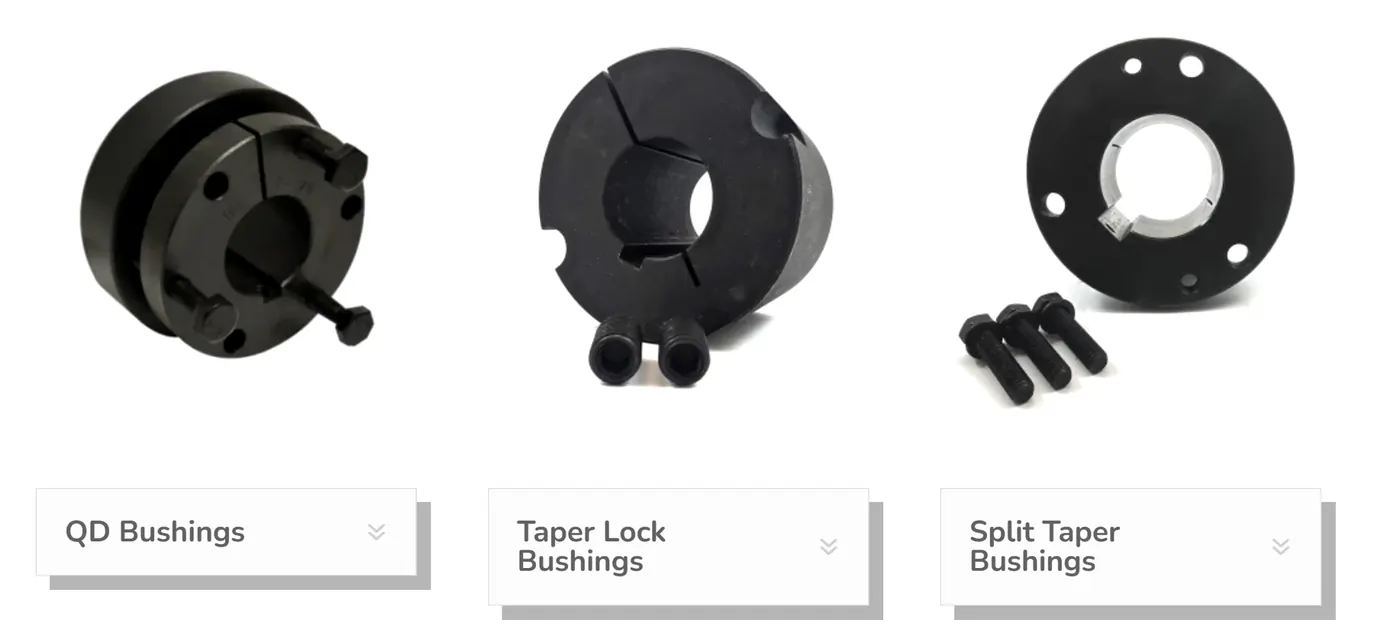
Product families
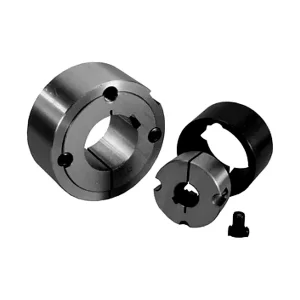
Taper Bore Adapters
RFQ product family: verify shaft, keyway and mating interface against the selected series.
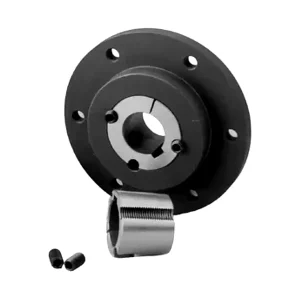
Taper Bore Bolt-On Hubs
RFQ product family: verify shaft, keyway and mating interface against the selected series.
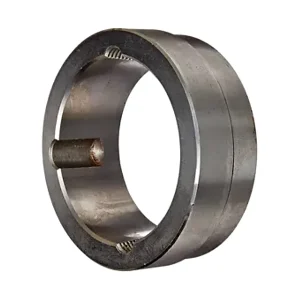
Taper Bore Weld-On Hubs
RFQ product family: verify shaft, keyway and mating interface against the selected series.
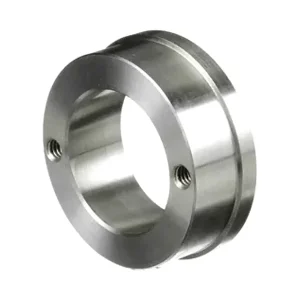
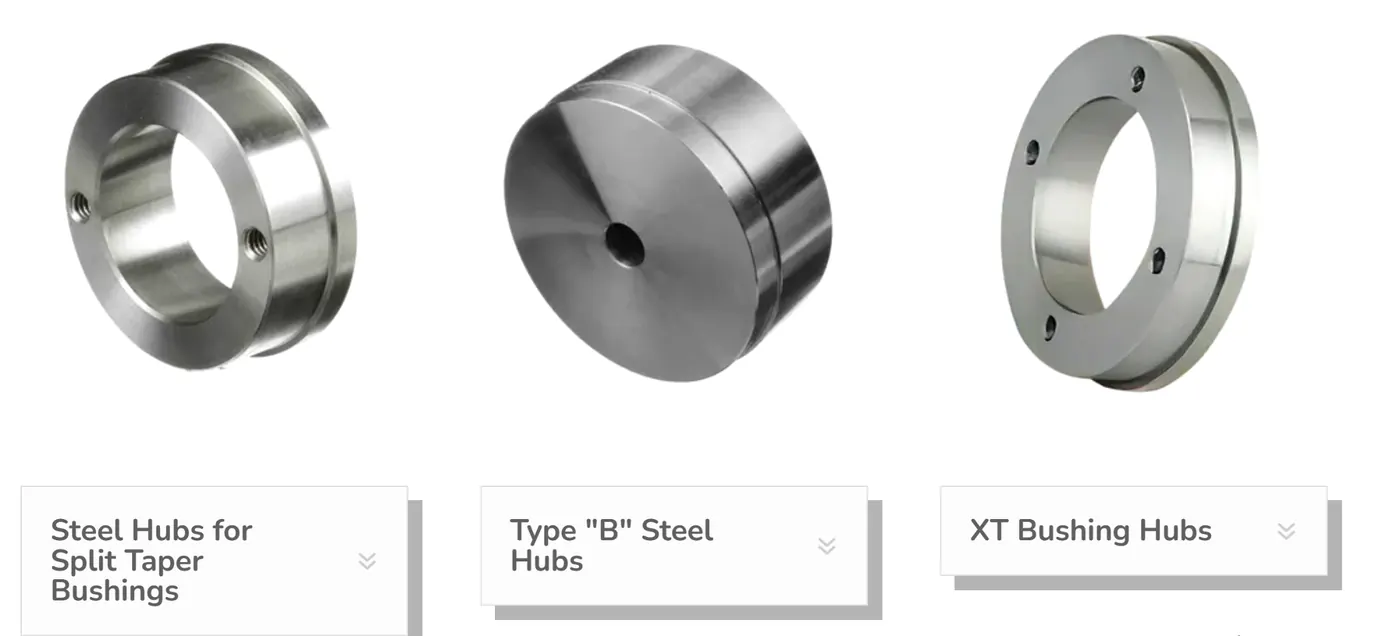
Steel Hubs for Split Taper Bushings
RFQ product family: verify shaft, keyway and mating interface against the selected series.
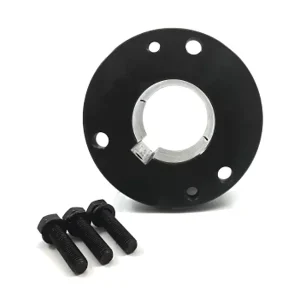
Split Taper Bushings
RFQ product family: verify shaft, keyway and mating interface against the selected series.
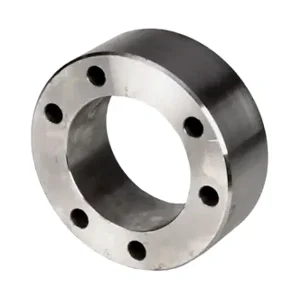
QD Weld-On Hubs
RFQ product family: verify shaft, keyway and mating interface against the selected series.
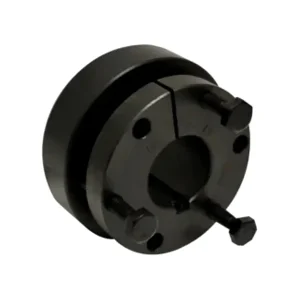
Standard QD Bushings
RFQ product family: verify shaft, keyway and mating interface against the selected series.
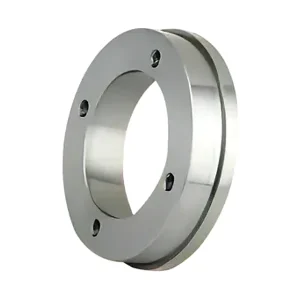
XT Hubs
RFQ product family: verify shaft, keyway and mating interface against the selected series.
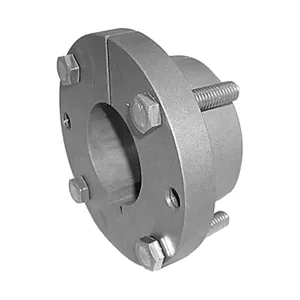
XT Bushings
RFQ product family: verify shaft, keyway and mating interface against the selected series.
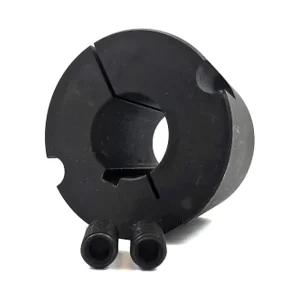
Taper Bushings
RFQ product family: verify shaft, keyway and mating interface against the selected series.
Application industries and duty conditions
These mounting systems appear in power-transmission and rotating-equipment assemblies such as pulleys, sheaves, sprockets, conveyor pulleys, fans, fabricated plates and similar components. Duty conditions that should be supplied include speed, transmitted torque or load, shock, reversal, duty cycle, environmental contamination, corrosion exposure and service access.
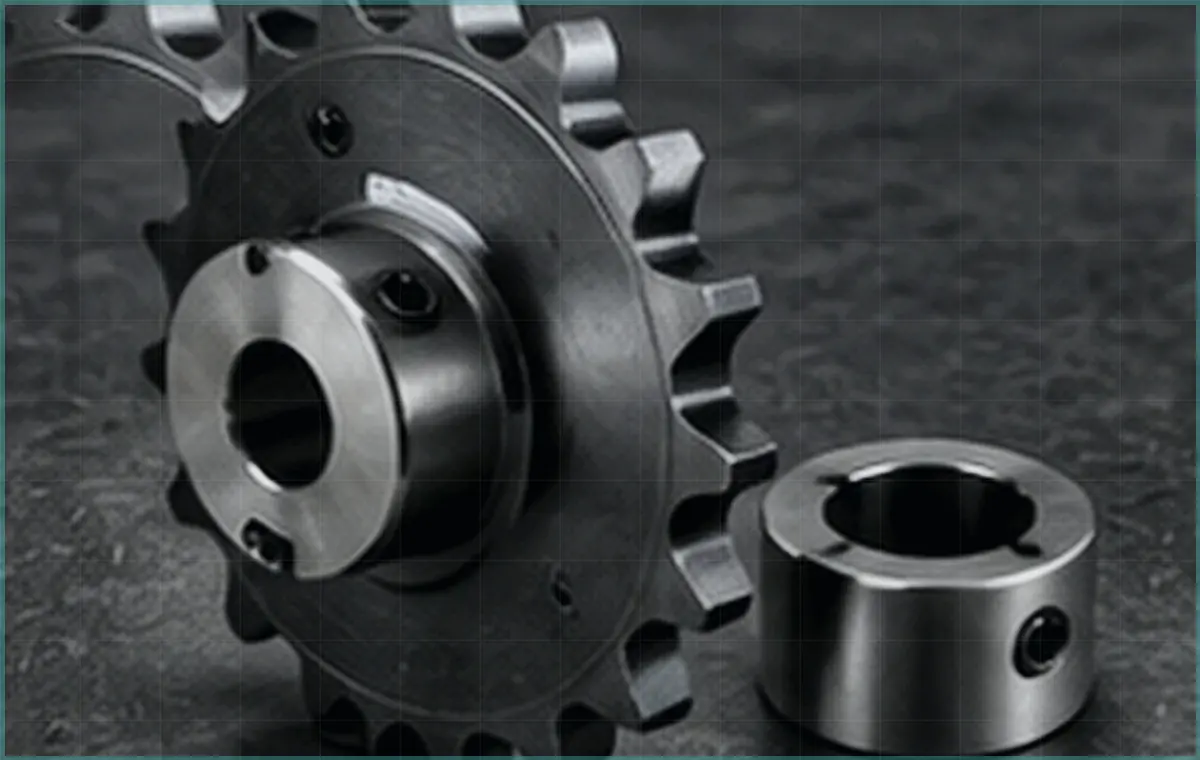
A Google Drive sprocket catalogue reviewed for this project contains taper-bushed and QD-bushed sprocket configurations, which is useful application context. It is not used to invent bushing dimensions; those remain controlled by the selected bushing/hub catalogue.
Selection variables and compatibility checks
Selection starts with the interface, not with an outside diameter that merely looks similar. Record the shaft size and tolerance, key and keyseat geometry, the bushing or hub series printed on the existing component when available, the mating component geometry, and the assembly direction. Then compare those inputs with the correct series drawing. A taper system that appears close in a photograph can still use a different taper, flange thickness, screw pattern, keyway convention or hub seat.
For replacement work, measure after cleaning the shaft and mating part. Check for fretting, burrs, corrosion, bell-mouthed bores and key damage before assuming that the previous component failed because of the bushing itself. For new equipment, keep the shaft, bushing, hub and mounted element in one drawing stack so concentricity, axial location and service access are considered together.
Compatibility is a pass/fail interface question. Do not mix a bushing and hub merely because their outside diameters appear close. Confirm the family, series, taper/seat, flange dimensions, fastener locations, keyway and assembly direction. For large or safety-critical rotating parts, include the mounted element and bearing arrangement in the review.
Materials, finishes and options
The catalogue identifies steel for QD weld-on hubs and includes material-class columns in some adapter/hub tables, while other product families require confirmation at the selected model level. This site therefore avoids applying one blanket material or coating claim to the entire category. State any required material, finish, corrosion resistance or documentation in the RFQ and confirm it against the selected part drawing.
How to prepare an RFQ
Send the product family or candidate series, shaft bore/tolerance, keyway details, mating-component drawing, operating duty, environment, quantity and inspection/document requirements. If the existing part is worn or broken, include photos of the shaft and mating hub so engineering can look for evidence of movement, fretting or incorrect fit before a replacement is selected.
Related pages: Taper Bushings, QD Bushings, and Taper Bore Weld-On Hubs.

Frequently asked questions
What is the first measurement to take?
Start with the shaft bore and keyway, but do not stop there. The bushing/hub family and mating geometry must also match.
Are QD and taper-lock bushings interchangeable?
Treat them as different systems unless a drawing explicitly confirms the complete interface. Similar purpose does not imply interchangeable geometry.
When is a weld-on hub useful?
When the rotating element is fabricated from plate or another weldable structure and a standardized bushing seat is required. Welding procedure and final geometry still need project review.
What should I provide for a worn existing part?
Model marking, cleaned measurements, shaft/keyway condition, photos of both mating surfaces, duty and any failure symptoms.
Can you quote from a photo only?
A photo can narrow the family but is not sufficient for a reliable technical match. Pair it with dimensions and, when possible, a drawing.
Prepare a useful RFQ
For an accurate bushing or hub match, send enough information to define the complete shaft-to-component interface rather than only a product photograph. The model marking is useful, but the shaft, keying, mating hub or mounted element, operating duty and inspection expectations are what make the selection reviewable.
- Shaft diameter and tolerance, plus keyway or spline details.
- Mating pulley, sprocket, hub or fabricated-component drawing and the required series if known.
- Speed, transmitted load or torque, duty cycle, shock, environment and service-access constraints.
- Quantity and any material, finish, marking or documented-inspection requirement that must be confirmed.
When replacing a failed assembly, also include photographs of the shaft and mating surfaces after cleaning. We use those inputs to confirm the interface and identify missing questions rather than guessing from appearance.
Maintenance inventory and replacement records
For plants managing several machine generations, keep a cross-reference that records the installed bushing family, model, bore, keyway, mating component and machine location. Store the drawing or catalogue reference with the maintenance record, and update it when a shaft, pulley, sprocket or fabricated hub is modified. This avoids mixing visually similar spares and lets purchasing verify the same interface before a planned shutdown instead of relying on outside diameter or an old photo.
Receiving and crib identification should use the series and bore together. Keep matched screws or hardware with the correct family, protect precision tapers and bores from corrosion or impact, and quarantine a returned component if the model marking or mating geometry does not match the stock record. These simple controls are especially useful where QD, taper, split-taper and XT systems coexist because a nominally similar shaft size does not make the complete interfaces interchangeable.