Bushings & Hubs engineering guide
Turn operating constraints into a mounting decision
Begin with what can be measured about xt bushing. Use qd bushing and taper-lock bushing to expose hidden incompatibility, then carry split taper bushing and conveyor pulley into the service plan. Verify xt bushing, qd bushing and taper-lock bushing, then check transmitted duty, environment and future service. The strongest selection is one another engineer can reproduce from measurements, drawings and the machine condition.
What to Consider
This article keeps xt bushing, qd bushing, and taper-lock bushing connected to split taper bushing and conveyor pulley. Each is treated as an engineering input with its own evidence, not as a keyword that can stand in for the others.
Boundary for model-specific values
Values tied to a specific series—such as torque, tolerance, material, balance, or capacity—remain controlled data. For split taper bushing, consult the applicable drawing or installation sheet; for conveyor pulley, record the requirement rather than borrowing a value from another family.
Build a Reliable Specification
- xt bushing
- a conveyor-pulley bushing family used with matching XT hubs. Use qd bushing as the first cross-check and taper-lock bushing as the second before the result enters the RFQ or work order.
- qd bushing
- a split flanged tapered bushing used with dedicated QD hub geometry. Pair the observation with taper-lock bushing; if split taper bushing disagrees, preserve the discrepancy for engineering review.
- taper-lock bushing
- a taper-bushed shaft mounting component drawn into a matching taper hub by dedicated screws. Document the datum or source, then show how it affects split taper bushing and whether conveyor pulley remains compatible.
- split taper bushing
- a split, tapered shaft-mounting bushing used with a dedicated matching hub family. Treat the value as incomplete until conveyor pulley and xt bushing have been checked on the same assembly.
- conveyor pulley
- an engineering input for conveyor pulley whose geometry, state, or requirement must agree with xt bushing before qd bushing is released. Relate it directly to xt bushing and qd bushing; do not close the step from this variable alone.
Conveyor pulley bushing selection starts with the hub already designed into the pulley
XT, QD, Taper-Lock and Split Taper systems have different hub geometries and installation methods. For an existing conveyor pulley, identify the current hub family before comparing replacement bushings. For a new pulley, evaluate shaft diameter, drive torque, belt tension, pulley role, end-disc design, axial movement during installation and maintenance access. A bushing family should be selected together with its hub and the pulley structure, not from a bore chart alone.
XT systems are closely associated with conveyor pulley applications; QD is used broadly and also appears on pulleys; Taper-Lock and Split Taper can suit specific architectures where their matching hubs and service methods are appropriate. The comparison should therefore focus on available hub design, holding and keying strategy, draw-up behavior, removal access and the manufacturer’s installation controls. Do not mix torque values or hole functions between families during the comparison.
Product context
The on-site product context can be checked on the XT bushings page while reviewing xt bushing and conveyor pulley; keep final acceptance tied to the exact part, shaft and controlled data.
Three checks to keep
- Capture xt bushing before disturbing the assembly.
- Cross-check qd bushing against taper-lock bushing rather than treating either value alone.
- Keep any uncertainty around conveyor pulley visible in the job record or RFQ.

QD systems combine a flanged bushing with dedicated hub geometry
Approach taper-lock bushing from the failure side: Treating the flange as a target that must be pulled flush can lead to over-tightening or hide an undersized-shaft condition on systems whose instructions require a remaining gap. To avoid that mechanism, use designated removal holes rather than prying behind the flange. Then compare the result with split taper bushing rather than judging the surface in isolation.
The flange provides a visible fastening interface and removal provisions, but correct seating still depends on clean taper contact, shaft condition, keying, and even draw-up. For this title, the practical close-out is to verify whether the application uses standard or reverse mount. and document how conveyor pulley supports the conclusion. The verified matching XT hubs page provides product-family context for taper-lock bushing; the exact drawing still governs acceptance.
Workshop Checks
- Keep flange and hub faces free of trapped debris. Relate this observation to split taper bushing.
- Use the current installation sheet for the exact QD size to confirm hole usage, torque, mounting orientation, and post-install checks. Relate this observation to conveyor pulley.
- Keep the taper-lock bushing finding traceable to split taper bushing. Relate this observation to xt bushing.
What to Verify
The taper-lock bushing entry should name its datum, inspection method, and the evidence used to reconcile split taper bushing with conveyor pulley.
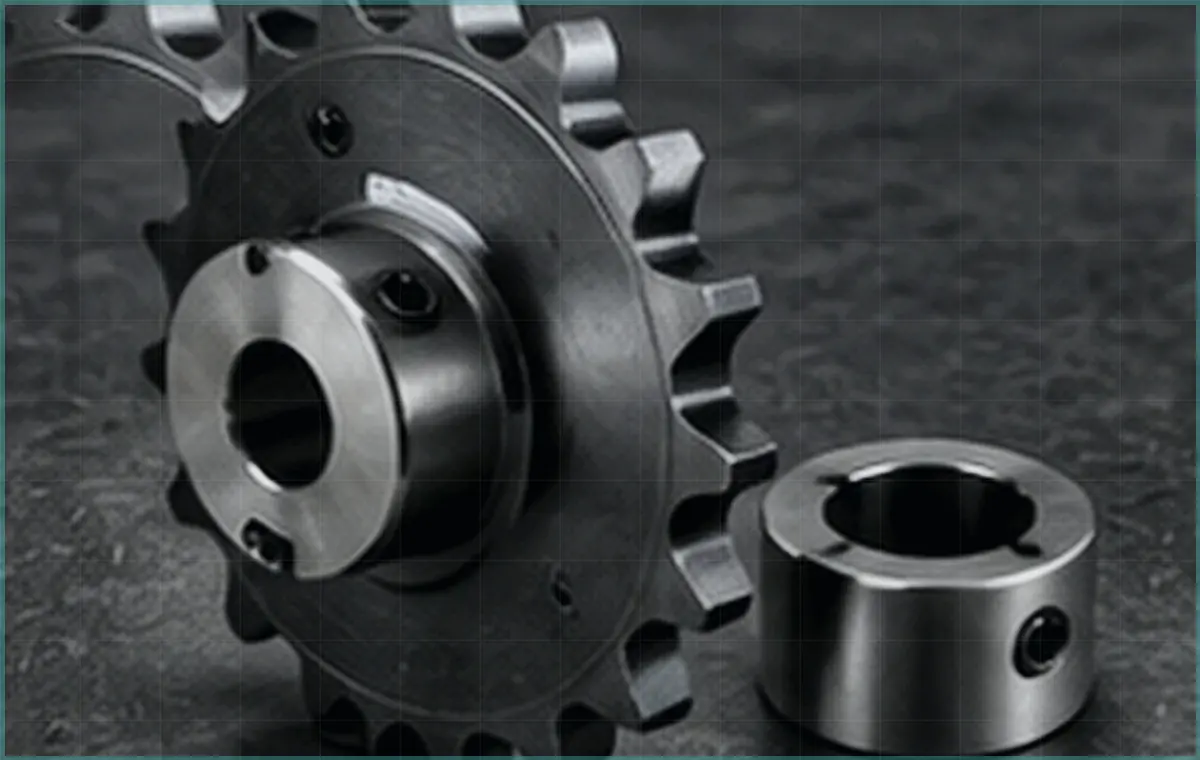
Selection Matrix
| Interface | Evidence to collect | Why a mismatch matters |
|---|---|---|
| xt bushing | Verify whether the application uses standard or reverse mount. | Do not average away a problem in xt bushing; it may be the reason qd bushing appears to fit on the bench but fails in service. |
| qd bushing | Use the screw holes for the function shown in the drawing. | When qd bushing conflicts with the controlled data, stop before accepting taper-lock bushing as evidence of compatibility. |
| taper-lock bushing | Use designated removal holes rather than prying behind the flange. | If taper-lock bushing is wrong, a correct-looking split taper bushing cannot rescue the interface; the release decision must be reopened. |
| split taper bushing | Keep taper surfaces clean and damage-free. | A discrepancy in split taper bushing can invalidate the interpretation of conveyor pulley, even when several other dimensions are close. |
| conveyor pulley | Keep flange and hub faces free of trapped debris. | Treat conveyor pulley as a hard gate because an error here can make xt bushing misleading or nonfunctional in service. |
| Release gate | Any unresolved conflict among xt bushing, qd bushing, and conveyor pulley stays visible in the engineering handoff. | |
Understand what a taper-bushed interface is doing
Approach split taper bushing from the failure side: Wrong taper, contaminated surfaces, a proud key, or incorrect screw positions can prevent uniform seating and create misleading “tight” fasteners. To avoid that mechanism, do not chase flange position by exceeding specified fastener torque. Then compare the result with conveyor pulley rather than judging the surface in isolation.
The taper converts axial draw-up into contact pressure while the key, when used, provides a defined torque-transfer interface. The split allows the bushing to contract on the shaft as it seats. For this title, the practical close-out is to keep taper surfaces clean and damage-free. and document how xt bushing supports the conclusion.
Selection Summary
The split taper bushing entry should name its datum, inspection method, and the evidence used to reconcile conveyor pulley with xt bushing.
Inspection sequence
- Use the screw holes for the function shown in the drawing. Relate this observation to conveyor pulley.
- Confirm the exact bushing series, bore, keyway, hub designation, screw positions, and manufacturer tightening instructions before assembly. Relate this observation to xt bushing.
- Keep the split taper bushing finding traceable to conveyor pulley. Relate this observation to qd bushing.
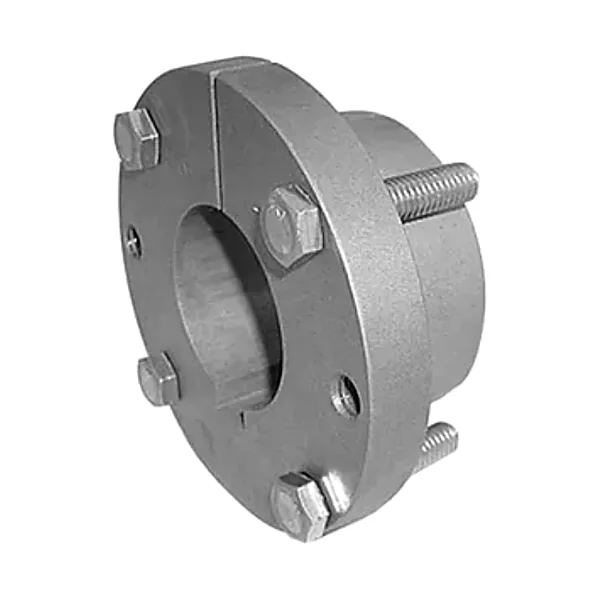
Choose from verified constraints, not familiarity
Begin with verified constraints for xt bushing, qd bushing, and taper-lock bushing; do not start with the brand or frame a technician remembers. Compare the candidate families only after shaft, hub, keying, and duty are known.
Finish with split taper bushing and conveyor pulley, including installation, removal, inspection, and downtime implications. The selected component should remain defensible when a different engineer reviews the same machine data without relying on tribal knowledge.
Related Product Options
The Bushings & Hubs product family page is a verified site destination for conveyor pulley. Use it as product context while retaining the separate inspection record for xt bushing and taper-lock bushing.
Technical Reference
For model-specific instructions involving xt bushing and conveyor pulley, consult the conveyor bushing application and installation resources that matches the selected family. Keep torque, hole functions, lubrication directions, and other controlled values with that product rather than transferring them across families.
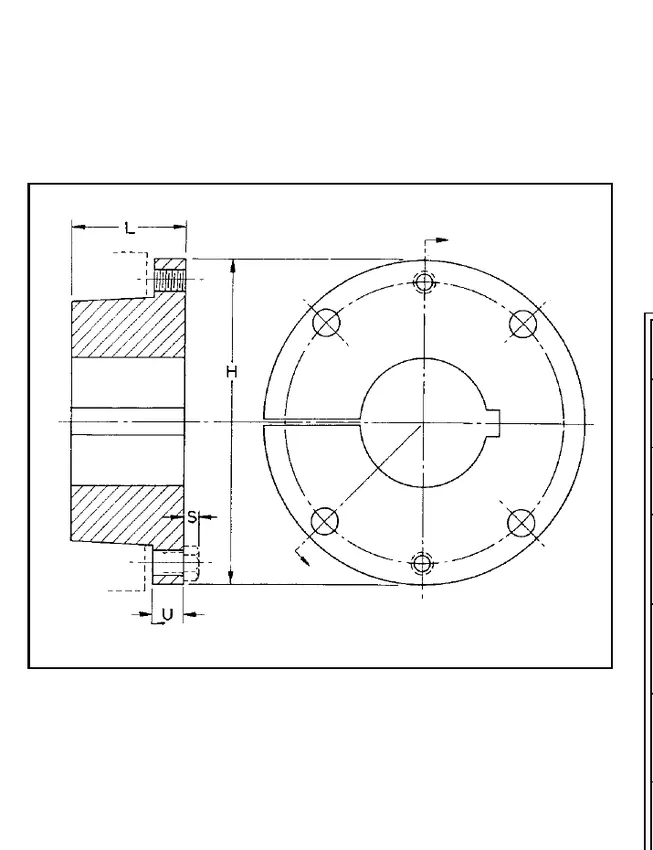
Common Questions
Can xt bushing alone determine the right choice?
For xt bushing, the working definition here is a conveyor-pulley bushing family used with matching XT hubs. Check it against qd bushing; then use taper-lock bushing as an independent reason to accept or reject the result. If the two checks disagree, keep the part or purchase decision on hold until the discrepancy is explained.
What should I verify about qd bushing before ordering?
Do not treat qd bushing as a yes/no visual check. It is a split flanged tapered bushing used with dedicated QD hub geometry. In this article, document taper-lock bushing beside it and use the field observation “Use the screw holes for the function shown in the drawing” as a practical cross-check before release.
When does taper-lock bushing become a reason to choose a different mounting system?
taper-lock bushing matters because it is a taper-bushed shaft mounting component drawn into a matching taper hub by dedicated screws. A reliable record names the datum, tool, or controlled document used and shows how the finding changes split taper bushing. Where conveyor pulley is model-dependent, obtain that value from the exact product data rather than estimating it.
How should split taper bushing be documented in an RFQ?
Use split taper bushing as one acceptance item, not as the whole specification: a split, tapered shaft-mounting bushing used with a dedicated matching hub family. Pair it with conveyor pulley, and if xt bushing points to another family or another condition, resolve that conflict before reuse, ordering, or start-up.
What mistake is most common when checking conveyor pulley?
The engineering question around conveyor pulley is whether its observed or controlled condition is consistent with xt bushing. Here, conveyor pulley means an engineering input for conveyor pulley whose geometry, state, or requirement must agree with xt bushing before qd bushing is released. Preserve measurements or photos that let a later technician test the same conclusion against qd bushing, with taper-lock bushing kept as a separate cross-check.
Discuss Your Bushing & Hub Application
For a useful inquiry, send information about xt bushing, qd bushing, and taper-lock bushing from the actual assembly. If split taper bushing or conveyor pulley is uncertain, include the part marking, measurements, photos, or drawings you have rather than guessing. Please include the known condition or identification of split taper bushing and conveyor pulley, plus any drawing or installation document that provides series-specific limits.